

- Learn how a private, luxury mental health clinic provides comprehensive diagnosis, discreet treatment, and personalized care for complex emotional needs.
- For many of our patients, it is a turning point made quietly, often after years of high performance on the outside and private suffering within.
- In our clinical practice, we see executives, entrepreneurs, public figures, and high-net-worth individuals who cannot risk fragmented care, breaches of privacy, or one-size-fits-all treatment.
Choosing a mental health clinic is not a casual decision. For many of our patients, it is a turning point made quietly, often after years of high performance on the outside and private suffering within. In our clinical practice, we see executives, entrepreneurs, public figures, and high-net-worth individuals who cannot risk fragmented care, breaches of privacy, or one-size-fits-all treatment. They need a mental health clinic that can meet them where they are—clinically, emotionally, and practically—without sacrificing discretion or excellence.
Looking for Treatment?
You may consider THE BALANCE Rehab Clinic, a world-class luxury option for highly individualized, holistic mental health and addiction treatment.
This Q&A guide is designed to help you understand what a modern, evidence-based, luxury mental health clinic can offer: from diagnostic clarity and individualized treatment planning to residential care, ongoing support, and relapse prevention. While we draw on our experience at our Clinic, this article is educational only and never a substitute for a personalized evaluation with a licensed professional.
What is a mental health clinic and how is it different from a standard practice?
A mental health clinic is a specialized medical and psychological center that provides comprehensive evaluation, diagnosis, and treatment for emotional, behavioral, and psychiatric conditions across levels of care. In contrast to a single-provider office, a clinic typically brings together psychiatrists, psychologists, therapists, nurses, and often other specialists under one coordinated system.



Do you need help?
You may consider THE BALANCE Rehab Clinic, a world-class luxury option for highly individualized, holistic mental health and addiction treatment.
At our Clinic, we think of a mental health clinic as an ecosystem rather than a single room. The key differentiators include:
- Multidisciplinary team: Board-certified psychiatrists, clinical psychologists, licensed therapists, addiction specialists, and medical physicians collaborating in real time.
- Integrated care: Psychotherapy, medication management, medical monitoring, and complementary treatments (such as sleep, nutrition, and stress medicine) under one roof.
- Structured levels of care: Outpatient, intensive outpatient, partial hospitalization, and residential or inpatient services where indicated.
- Standardized assessment: Use of validated screening and diagnostic tools, in addition to in-depth clinical interviews.
- Care coordination: Communication (with your permission) with outside physicians, family systems, or corporate wellness teams.
A luxury mental health clinic layers onto this core structure an additional focus on privacy, comfort, and highly individualized support—more akin to a private medical practice or boutique hotel than a typical institutional setting.
Who typically seeks care at a luxury mental health clinic?
Individuals who seek care at a luxury mental health clinic are usually high-functioning adults facing significant distress, impairment, or risk despite external success, and who require both clinical sophistication and elevated privacy.
In our Treatment Center, we most commonly see: (source: SAMHSA, n.d.)
Looking for Treatment?
You may consider THE BALANCE Rehab Clinic, a world-class luxury option for highly individualized, holistic mental health and addiction treatment.
- Executives and entrepreneurs managing high-stakes responsibilities, chronic stress, burnout, and often quiet substance use.
- Public figures and high-profile individuals whose careers depend on reputation and confidentiality.
- Professionals in law, finance, medicine, and technology with perfectionism, anxiety, depression, or trauma responses that are no longer sustainable.
- Parents and caregivers who have been holding everything together for others while their own mental health erodes.
- Individuals with complex or treatment-resistant conditions who have not improved with standard outpatient care alone.
Many arrive having already seen multiple providers, taken several medications, or cycled through short-term solutions. What they often tell us is that no one has ever stepped back to truly integrate the whole picture: physical health, mental health, relationships, work pressures, and core beliefs.
What mental health conditions does a modern clinic typically treat?
A well-resourced mental health clinic treats a broad spectrum of psychiatric and psychological conditions, from mild to severe, while tailoring interventions to each person’s needs and level of functioning.
Do you need help?
You may consider THE BALANCE Rehab Clinic, a world-class luxury option for highly individualized, holistic mental health and addiction treatment.
Based on DSM-5-TR and ICD-11 frameworks, conditions commonly treated include:
- Mood disorders: Major depressive disorder, persistent depressive disorder, bipolar I and II disorders, cyclothymia.
- Anxiety and related disorders: Generalized anxiety disorder, panic disorder, social anxiety, specific phobias, obsessive-compulsive disorder (OCD), post-traumatic stress disorder (PTSD).
- Substance use and addictive behaviors: Alcohol, stimulants, opioids, cannabis, sedatives, behavioral addictions (e.g., gambling).
- Personality-related patterns: Traits or disorders that impact relationships, identity, and emotion regulation (e.g., borderline, narcissistic, avoidant features).
- Trauma-related presentations: Complex PTSD, developmental trauma, dissociative symptoms.
- Stress and adjustment concerns: Burnout, life transitions, grief, cross-cultural stress, and professional crises.
Comorbid medical conditions (e.g., sleep disorders, hormonal changes, cardiovascular disease) are also common and must be carefully considered in any treatment plan.
How common are mental health challenges among high-functioning adults?
Mental health challenges are extremely common among high-functioning adults; external success does not protect against depression, anxiety, addiction, or trauma responses.
Recent data illustrate the scale of need relevant to mental health clinics:
Looking for Treatment? (source: )
You may consider THE BALANCE Rehab Clinic, a world-class luxury option for highly individualized, holistic mental health and addiction treatment.
Mental Health Clinic: Key Statistics
- 22.8% of U.S. adults experienced any mental illness in the past year (SAMHSA, 2023)
- 46.3% of U.S. adults will meet criteria for a mental disorder at some point in life (Kessler et al., NCS-R)
- 75% of lifetime mental health conditions begin by age 24 (NIMH, 2023)
High-income and high-achieving groups are not immune. Studies show elevated rates of burnout, depression, and substance misuse among physicians, attorneys, and executives, often complicated by stigma and delayed help-seeking. In our Clinic, we routinely meet individuals who have endured years of distress in silence because they felt “too responsible” or “too visible” to step away for care.
How does a mental health clinic evaluate and diagnose conditions?
A mental health clinic evaluates and diagnoses conditions using a structured, multi-step process that combines clinical interviews, standardized tools, medical review, and collateral information where appropriate.
Do you need help?
You may consider THE BALANCE Rehab Clinic, a world-class luxury option for highly individualized, holistic mental health and addiction treatment.
At our Clinic, a typical comprehensive assessment may include:
- Diagnostic interview: A 60–120 minute conversation with a psychiatrist or psychologist exploring symptoms, onset, triggers, family history, and strengths.
- Structured questionnaires: Validated instruments such as the PHQ-9 for depression, GAD-7 for anxiety, AUDIT for alcohol use, PCL-5 for PTSD, or others as clinically indicated.
- Medical and medication review: Analysis of current and past medications, lab work, sleep patterns, and possible medical contributors (e.g., thyroid, anemia, pain disorders).
- Cognitive and personality assessments (when needed): Neuropsychological testing or personality inventories to clarify complex presentations.
- Collateral input (with consent): Input from family, partners, or referring physicians to understand functioning across settings.
We align diagnoses with DSM-5-TR and ICD-11 criteria, but we do not treat people as labels. Diagnostic clarity helps guide interventions; it does not define identity or potential.
What are diagnostic criteria and subtypes for common conditions?
Diagnostic criteria are standardized symptom lists, timelines, and impairment thresholds that help clinicians determine whether a cluster of experiences constitutes a mental disorder rather than normal variation or a situational reaction.
Examples include:
Looking for Treatment?
You may consider THE BALANCE Rehab Clinic, a world-class luxury option for highly individualized, holistic mental health and addiction treatment. (source: )
- Major depressive disorder: At least two weeks of depressed mood or loss of interest plus additional symptoms (e.g., sleep changes, guilt, low energy, poor concentration, appetite or weight change, psychomotor changes, suicidal thoughts) causing significant distress or impairment (DSM-5-TR).
- Bipolar disorder: Distinct episodes of elevated or irritable mood with increased energy and other symptoms (e.g., decreased need for sleep, racing thoughts, impulsive behavior), sometimes alternating with depression.
- Subtypes/specifiers: “With anxious distress,” “with psychotic features,” “rapid cycling,” or “with seasonal pattern,” which further tailor treatment decisions.
Clinical presentation varies. Two individuals with the same formal diagnosis may require completely different approaches based on personality, culture, trauma history, and life context.
What causes mental health conditions treated in clinics?
Mental health conditions arise from a complex interplay of biological, psychological, and social factors rather than a single cause, which is why clinics use an integrated model of care.
Do you need help?
You may consider THE BALANCE Rehab Clinic, a world-class luxury option for highly individualized, holistic mental health and addiction treatment.
Key contributing domains include:
- Biological factors: Genetic vulnerability, neurotransmitter systems, hormonal changes, inflammation, sleep disruption, head injury, medical illnesses.
- Psychological factors: Learned coping strategies, attachment style, perfectionism, cognitive patterns (e.g., catastrophizing, all-or-nothing thinking), identity development.
- Social and environmental factors: Chronic stress, high-pressure careers, relationship strain, cultural expectations, discrimination, financial swings, trauma exposure.
In our Treatment Center, we routinely see “stacked” contributors: a family history of depression, a demanding role with no margin for error, unprocessed trauma, and escalating reliance on alcohol or stimulants to cope. Each factor might be survivable alone; together they become destabilizing. Treatment must account for this full ecosystem rather than targeting only one symptom.
How does a mental health clinic differentiate between similar conditions?
A mental health clinic distinguishes between similar conditions using careful history-taking, symptom timelines, functional impact, family history, and response to previous treatments, supported by standardized tools when indicated.
Differential diagnosis is often subtle. For example:
Looking for Treatment?
You may consider THE BALANCE Rehab Clinic, a world-class luxury option for highly individualized, holistic mental health and addiction treatment.
Find out more (source: )
- Depression vs. bipolar disorder: Both involve low mood, but bipolar includes distinct episodes of elevated or irritable mood, decreased need for sleep, and increased goal-directed activity. Mislabeling bipolar as unipolar depression can lead to inappropriate antidepressant monotherapy.
- ADHD vs. anxiety or trauma: Inattention can reflect anxiety hypervigilance or trauma-related dissociation rather than a primary attention disorder.
- Substance-induced symptoms vs. primary illness: Stimulants, alcohol, or sedatives can mimic or mask underlying mood and anxiety conditions.
We also consider cultural norms, personality structure, and context. A thorough evaluation is particularly critical for public figures and executives, where misdiagnosis can have amplifying professional and personal consequences.
What screening and assessment tools do clinics commonly use?
Mental health clinics use evidence-based screening tools to quickly identify possible conditions and monitor changes over time, but these tools do not replace a full clinical evaluation.
Do you need help?
You may consider THE BALANCE Rehab Clinic, a world-class luxury option for highly individualized, holistic mental health and addiction treatment.
Common instruments include:
- PHQ-9: Screens and measures severity of depressive symptoms.
- GAD-7: Screens for generalized anxiety symptoms.
- PCL-5: Evaluates PTSD-related symptoms.
- AUDIT / DAST: Screens for alcohol and drug use patterns.
- MoCA / MMSE: Cognitive screening tools when memory or thinking changes are reported.
In luxury clinical settings, we may also incorporate personality assessments, career functioning inventories, and sleep/wearable data, always with attention to privacy and informed consent.
What treatments does a high-end mental health clinic typically provide?
A high-end mental health clinic provides a combination of evidence-based psychotherapies, medication management, medical care, and complementary interventions, tailored to each person’s diagnosis, goals, and lifestyle.
Core treatment modalities include:
Looking for Treatment?
You may consider THE BALANCE Rehab Clinic, a world-class luxury option for highly individualized, holistic mental health and addiction treatment.
- Individual psychotherapy: Cognitive behavioral therapy (CBT), dialectical behavior therapy (DBT), psychodynamic therapy, trauma-focused therapies (e.g., EMDR, CPT), and integrative approaches.
- Medication management: Antidepressants, mood stabilizers, antipsychotics, anti-anxiety medications, sleep agents, and medications for addiction (e.g., naltrexone, buprenorphine, acamprosate) when appropriate.
- Group therapy: Skills-based, process, psychoeducational, or profession-specific groups (e.g., for executives or physicians).
- Family and couples work: Support for partners and family systems affected by mental health or addiction.
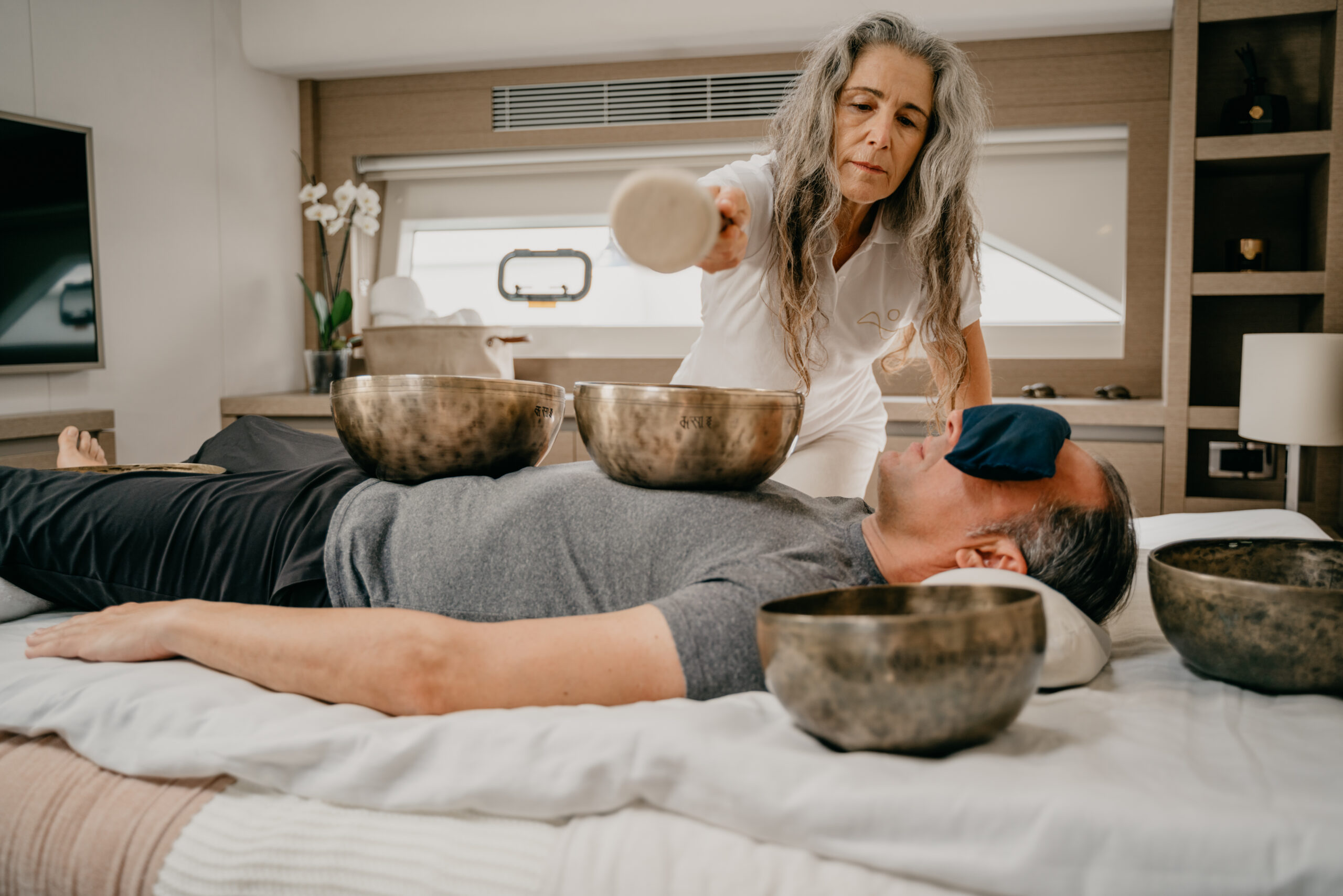
- Lifestyle and somatic interventions: Sleep optimization, exercise planning, nutrition, mindfulness, breathwork, and sometimes yoga or gentle movement.
At our Rehab, we often build a custom weekly schedule that may include several individual sessions, medical check-ins, structured skills groups, quiet time for work, and restorative activities, ensuring that healing is intensive but not dehumanizing. (source: APA, 2022 (DSM-5-TR))
How do psychotherapies and medications work together?
Psychotherapies and medications work best together when they are integrated into a cohesive treatment plan that addresses both symptoms and underlying drivers.
Do you need help?
You may consider THE BALANCE Rehab Clinic, a world-class luxury option for highly individualized, holistic mental health and addiction treatment.
For many conditions:
- Medications can reduce symptom intensity (e.g., severe anxiety, depression, psychosis, cravings) so that the individual can fully engage in therapy and daily life.
- Psychotherapy helps change beliefs, patterns, and relationships that maintain distress, giving tools to prevent relapse and navigate future stressors.
Research consistently shows that combined treatment often yields better outcomes for moderate-to-severe depression and some anxiety disorders than either approach alone (APA Practice Guidelines, 2023). In our Clinic, we also respect patient preferences; some individuals prefer to minimize medication, while others value its stabilizing role. The key is informed, collaborative decision-making.
When is residential or higher-level care at a mental health clinic indicated?
Residential or higher-level care at a mental health clinic is indicated when outpatient treatment is not sufficient to ensure safety, stability, or meaningful progress, or when life demands make deep work nearly impossible without stepping away.
Common indications include:
Looking for Treatment?
You may consider THE BALANCE Rehab Clinic, a world-class luxury option for highly individualized, holistic mental health and addiction treatment.
- Safety concerns: Suicidal thoughts with plan or intent, self-harm, or risk-taking behaviors that cannot be adequately managed outpatient.
- Severe functional impairment: Inability to maintain work, relationships, or basic self-care despite treatment.
- Substance dependence: Need for medically supervised detoxification or intensive relapse-prevention work.
- Treatment resistance: Minimal improvement after adequate trials of outpatient therapy and/or medication.
- Need for containment and privacy: Executives or public figures requiring a discreet environment away from public view and professional obligations.
In our Treatment Center’s residential program, we structure care to feel restorative rather than punitive—private suites, protected time, and individualized attention, combined with rigorous clinical oversight. Many patients describe it as the first time they’ve had permission to focus fully on themselves.
What does the treatment flow look like from admission to aftercare?
The treatment flow in a mental health clinic generally moves from assessment and stabilization through active treatment to aftercare and relapse prevention, with adjustments along the way. (source: WHO, 2019 (ICD-11))
Do you need help?
You may consider THE BALANCE Rehab Clinic, a world-class luxury option for highly individualized, holistic mental health and addiction treatment.
A typical trajectory may include:
- Intake and assessment: Comprehensive evaluation, diagnostic clarification, immediate safety planning.
- Stabilization: Address acute symptoms, sleep, withdrawal or detox if needed, and immediate stressors.
- Active treatment phase: Intensive psychotherapy, medication optimization, skills-building, and family involvement.
- Consolidation: Practicing new strategies in real-life situations, refining medication plans, clarifying long-term goals.
- Aftercare planning: Structured discharge plan with outpatient providers, support groups, relapse-prevention strategies, and sometimes digital or telehealth follow-up.
We emphasize continuity. A strong aftercare plan is not an afterthought; it is woven into treatment from the outset, reducing the “cliff” many people feel when leaving a contained setting.
How does a luxury mental health clinic protect privacy and discretion?
A luxury mental health clinic protects privacy and discretion through strict confidentiality policies, limited census, physical design for anonymity, and tailored communication practices for high-profile clients.
Key elements of discretion at our Clinic include:
Looking for Treatment?
You may consider THE BALANCE Rehab Clinic, a world-class luxury option for highly individualized, holistic mental health and addiction treatment.
- Small census: A limited number of patients at any time, reducing incidental contact and preserving a calm environment.
- Private spaces: Individual suites, private meeting rooms, and controlled access areas that minimize visibility.
- Customized scheduling: Staggered appointment times and private entrances/exits when required.
- Secure communication: Encrypted digital platforms, minimal email content, and clear consent-based communication protocols with families, employers, or agents.
- Staff training: Focused education on working with public figures, corporate leaders, and families with heightened security needs.
Confidentiality is both a legal obligation and a cultural value. We understand that the ability to seek treatment without exposure is often what allows many individuals to say “yes” to care in the first place.
What are the main differences between standard and luxury mental health clinics?
The main differences between standard and luxury mental health clinics involve staffing ratios, environment, personalization, and privacy protections, while both should meet basic clinical and ethical standards.
Do you need help? (source: )
You may consider THE BALANCE Rehab Clinic, a world-class luxury option for highly individualized, holistic mental health and addiction treatment.
The table below highlights typical distinctions:
| Aspect | Standard Mental Health Clinic | Luxury Mental Health Clinic |
|---|---|---|
| Staffing & Caseload | Higher caseloads, limited time per patient | Lower caseloads, extensive 1:1 attention |
| Environment | Clinical, often institutional | Hotel-like comfort, serene and discreet |
| Privacy | Standard confidentiality | Enhanced privacy protocols and design |
| Treatment Personalization | Standardized tracks or groups | Fully individualized plans, flexible scheduling |
| Adjunct Services | Limited or referral-based | On-site wellness, concierge-level coordination |
Both settings can offer high-quality clinical care; the decision often rests on personal preference, complexity of needs, and the degree of privacy and support required.
Note: The following is a composite case example created for illustrative purposes. All identifying details have been altered to protect privacy.
“When he arrived, D. had not slept more than three hours a night in months. He was the CEO of a global company, fueled by caffeine by day and alcohol at night. He had tried a few therapy sessions between flights but never stayed long enough to go deeper. At our Clinic, he unplugged his devices for the first 48 hours, underwent a full psychiatric and medical workup, and started a structured schedule—CBT for insomnia, trauma-informed therapy, medication adjustment, and exercise he actually enjoyed. Six weeks later, he described feeling ‘more awake and less frantic’ than he had in a decade, with a concrete plan for sustaining change at home and work.”
— Treatment outcome from our Clinic’s residential program
What should I look for when choosing a mental health clinic?
You should look for a mental health clinic that combines strong clinical credentials, appropriate levels of care, clear safety protocols, and a culture that aligns with your values, needs, and expectations of privacy.
Key criteria to consider include:
Looking for Treatment?
You may consider THE BALANCE Rehab Clinic, a world-class luxury option for highly individualized, holistic mental health and addiction treatment.
- Licensing and accreditation: Verify that the clinic and its clinicians are properly licensed and, where applicable, accredited by reputable bodies (e.g., Joint Commission, CARF).
- Clinical expertise: Board-certified psychiatrists, doctoral-level psychologists, and experienced therapists specializing in your areas of concern.
- Evidence-based practices: Use of therapies and medications supported by current research, not just trends.
- Levels of care: Availability of outpatient, intensive, and residential options—or clear referral pathways.
- Individualization: Willingness to tailor treatment around your history, culture, and professional realities.
- Privacy and environment: Physical layout and policies that match your need for discretion.
A personal or virtual consultation can also help you sense whether the clinic’s tone and philosophy resonate—whether you feel spoken to as a whole person, not just a case. (source: NICE, 2020 (PTSD))
What questions should I ask a prospective mental health clinic?
You should ask a prospective mental health clinic specific questions about their clinical approach, staff qualifications, privacy practices, and how they measure outcomes.
Do you need help?
You may consider THE BALANCE Rehab Clinic, a world-class luxury option for highly individualized, holistic mental health and addiction treatment.
Consider asking:
- “Who will be directly involved in my care, and what are their credentials?”
- “How do you approach conditions like mine, and what treatments do you typically use?”
- “How do you coordinate care among your team and with my outside providers?”
- “What is your approach to confidentiality, especially for high-profile individuals?”
- “How do you involve families or partners, if at all?”
- “How do you track progress and outcomes?”
- “What does aftercare look like once I leave?”
Pay attention not only to the content of the answers but also to how they are delivered. Clear, grounded, and transparent responses often predict a thoughtful treatment experience.
Note: The following is a composite case example created for illustrative purposes. All identifying details have been altered to protect privacy.
“L. was a well-known artist whose panic attacks started backstage and eventually followed her home. She feared that seeking help would leak to the media. At our Treatment Center, we coordinated a quiet admission, arranged private entry, and communicated only through secure channels with her consent. Her treatment focused on exposure-based therapy for panic, trauma processing, and rebuilding a healthier relationship to performance. By discharge, she had a tailored plan for touring with boundaries that felt sustainable. She later shared that the most healing part was being treated like a human being, not a brand.”
— Treatment outcome from our Treatment Center’s residential program
What is the prognosis for people treated in a mental health clinic?
The prognosis for people treated in a mental health clinic is generally favorable when conditions are identified early, treatment is evidence-based and sustained, and care is adjusted as life circumstances evolve.
Outcome research shows that:
Looking for Treatment?
You may consider THE BALANCE Rehab Clinic, a world-class luxury option for highly individualized, holistic mental health and addiction treatment. (source: )
- Most depressive and anxiety disorders respond well to psychotherapy, medication, or both, with substantial symptom reduction for a majority of patients (APA, 2023).
- Substance use disorders are chronic but treatable; long-term recovery is common when treatment is maintained and supported (NIDA, 2023).
- Trauma-related conditions can improve significantly with specialized therapies like EMDR, CPT, and trauma-focused CBT.
In our Rehab, we focus not only on symptom remission but on functional and relational recovery—returning to work with boundaries, cultivating authentic connection, and finding a more sustainable pace of life. Setbacks can occur, particularly during transitions; ongoing support and a realistic, compassionate view of progress are essential.
How does a mental health clinic support long-term recovery and relapse prevention?
A mental health clinic supports long-term recovery and relapse prevention through structured aftercare planning, skill reinforcement, and accessible follow-up options that extend beyond the initial treatment episode.
Do you need help?
You may consider THE BALANCE Rehab Clinic, a world-class luxury option for highly individualized, holistic mental health and addiction treatment.
Key components include:
- Step-down care: Gradual reduction from residential to intensive outpatient to standard outpatient therapy, rather than abrupt discharge.
- Relapse-prevention plans: Identification of early warning signs, high-risk situations, and tailored coping strategies.
- Ongoing psychiatric follow-up: Regular medication check-ins and dose adjustments as needed.
- Peer and professional support: Groups, coaching, or check-ins, often via telehealth for those who travel frequently.
- Family involvement: Education and support for partners and family members, with clear boundaries.
We also normalize maintenance. Just as high-level athletes continue conditioning even when uninjured, many of our patients choose to maintain a lighter but ongoing relationship with their care team to protect their gains.
When should someone consider contacting a mental health clinic?
Someone should consider contacting a mental health clinic when emotional distress, behavioral patterns, or substance use start interfering with work, relationships, health, or a sense of self—even if they are still technically “functioning.”
Warning signs might include:
Looking for Treatment?
You may consider THE BALANCE Rehab Clinic, a world-class luxury option for highly individualized, holistic mental health and addiction treatment.
Find out more (source: )
- Persistent low mood, emptiness, or loss of interest lasting weeks or longer.
- Increasing anxiety, panic, or irritability that feel out of proportion to events.
- Using alcohol, medications, or drugs to cope, sleep, or get through the day.
- Changes in sleep, appetite, or energy that cannot be easily explained.
- Thoughts that life would be easier if you were gone, even without a plan.
- Strained relationships, isolation, or feeling emotionally numb.
- Difficulty concentrating, making decisions, or performing at your usual level.
You do not need to wait until you “hit bottom” or have a formal diagnosis to seek an evaluation. An early, thoughtful conversation with a professional at a mental health clinic can prevent crises, clarify what is happening, and offer options that preserve both wellbeing and career.
What if I’m not sure my situation is ‘serious enough’ for a clinic?
If you are questioning whether your situation is serious enough, that in itself is a good reason to at least consult a mental health clinic for a professional opinion.
Do you need help?
You may consider THE BALANCE Rehab Clinic, a world-class luxury option for highly individualized, holistic mental health and addiction treatment.
In our clinical practice, we frequently meet individuals who delayed care because they were still performing well externally. They worried about “taking a bed from someone who needs it more” or felt undeserving of support because others seemed worse off. The truth is:
- Early intervention can shorten illness duration and reduce complications.
- High-functioning individuals are adept at hiding distress until it reaches a breaking point.
- You do not have to qualify for a crisis to qualify for care.
A confidential assessment can help determine whether outpatient therapy, intensive work, or simply some preventative guidance is appropriate. No responsible clinician will force you into a level of care that exceeds what you need.
How can a mental health clinic support families, partners, and children?
A mental health clinic can support families, partners, and children by offering education, communication coaching, and dedicated sessions that address the relational impact of mental health and addiction, always with the patient’s consent.
At our Clinic, family involvement may include:
Looking for Treatment?
You may consider THE BALANCE Rehab Clinic, a world-class luxury option for highly individualized, holistic mental health and addiction treatment.
- Psychoeducation sessions: Helping loved ones understand diagnoses, treatments, and realistic expectations.
- Boundary and communication work: Developing healthier ways to support without enabling or controlling.
- Couples sessions: Addressing trust, intimacy, conflict, and shared stressors.
- Parenting support: Guidance on how to talk with children about a parent’s treatment or recovery.
We recognize that mental health challenges rarely exist in isolation. Addressing the family system—when appropriate—can significantly enhance long-term outcomes and reduce shame on all sides. (source: NIDA, 2024)
What about special populations like executives and public figures?
Executives and public figures often benefit from mental health clinic programs that explicitly address their unique pressures, constraints, and visibility while preserving privacy and role continuity.
Do you need help?
You may consider THE BALANCE Rehab Clinic, a world-class luxury option for highly individualized, holistic mental health and addiction treatment.
Special considerations include:
- Scheduling flexibility: Ability to accommodate time zones, board meetings, or key events with careful clinical judgment.
- Role-specific stressors: Power dynamics, decision fatigue, media exposure, and the isolation of leadership.
- Boundaries around work: Balancing necessary communication with periods of protected disconnection.
- Security and anonymity: Careful control of access, transportation, and internal information sharing.
At our Treatment Center, we work with these individuals to redefine success and resilience, not by lowering standards but by replacing self-destructive patterns with sustainable, values-aligned strategies.
Conclusion: How can a mental health clinic become a turning point?
A mental health clinic can become a turning point by offering what most high-functioning adults rarely receive: a quiet, expertly held space to tell the truth, make sense of their experiences, and build a different way forward—with real clinical structure behind it.
At our Clinic, we see every admission or consultation as an act of courage. Whether you are struggling with depression, anxiety, addiction, trauma, burnout, or a complex mix of all of these, you deserve care that is precise, evidence-based, and deeply human, delivered in an environment where your privacy and dignity are non-negotiable.
Looking for Treatment?
You may consider THE BALANCE Rehab Clinic, a world-class luxury option for highly individualized, holistic mental health and addiction treatment.
If anything in this guide resonates with you—or with someone you love—the next step is not to self-diagnose, but to seek a professional evaluation. A conversation with a clinician at a trusted mental health clinic can clarify what is happening, outline concrete options, and help you reclaim a life that feels more grounded, connected, and your own.