

- Discover how high-quality PTSD rehab combines medical, psychological, and holistic care to support trauma recovery in a discreet, residential setting.
- Post-traumatic stress disorder (PTSD) can quietly reshape a person’s entire inner world, even while their outer life appears successful and intact.
- In our clinical practice at our Rehab, we regularly meet high-achieving individuals who have spent years containing trauma symptoms with willpower, work, and routine—until those strategies stop working.
Post-traumatic stress disorder (PTSD) can quietly reshape a person’s entire inner world, even while their outer life appears successful and intact. In our clinical practice at our Rehab, we regularly meet high-achieving individuals who have spent years containing trauma symptoms with willpower, work, and routine—until those strategies stop working. This article explores how specialized PTSD rehab can provide a structured, private, and deeply personalized pathway to recovery for those who need more than weekly outpatient therapy.
Looking for Treatment?
You may consider THE BALANCE Rehab Clinic, a world-class luxury option for highly individualized, holistic mental health and addiction treatment.
What is PTSD rehab and how is it different from regular therapy?
PTSD rehab is a structured, usually residential treatment program that provides intensive, multidisciplinary care for post-traumatic stress disorder in a contained, supportive environment. Unlike standard weekly outpatient therapy, PTSD rehab offers daily therapeutic work, medical oversight, nervous system stabilization, and 24/7 support, all within a setting intentionally designed for safety and healing.
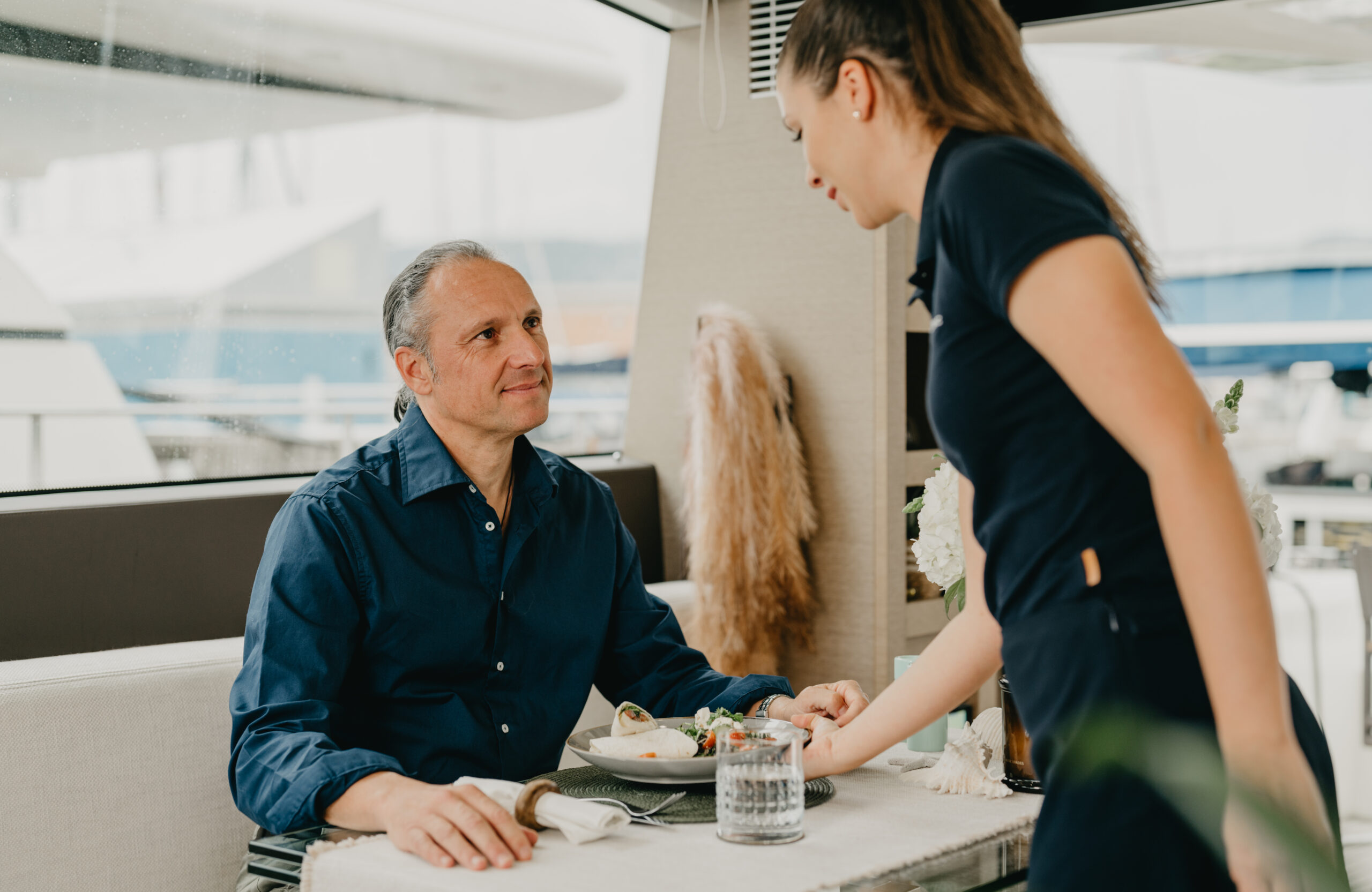
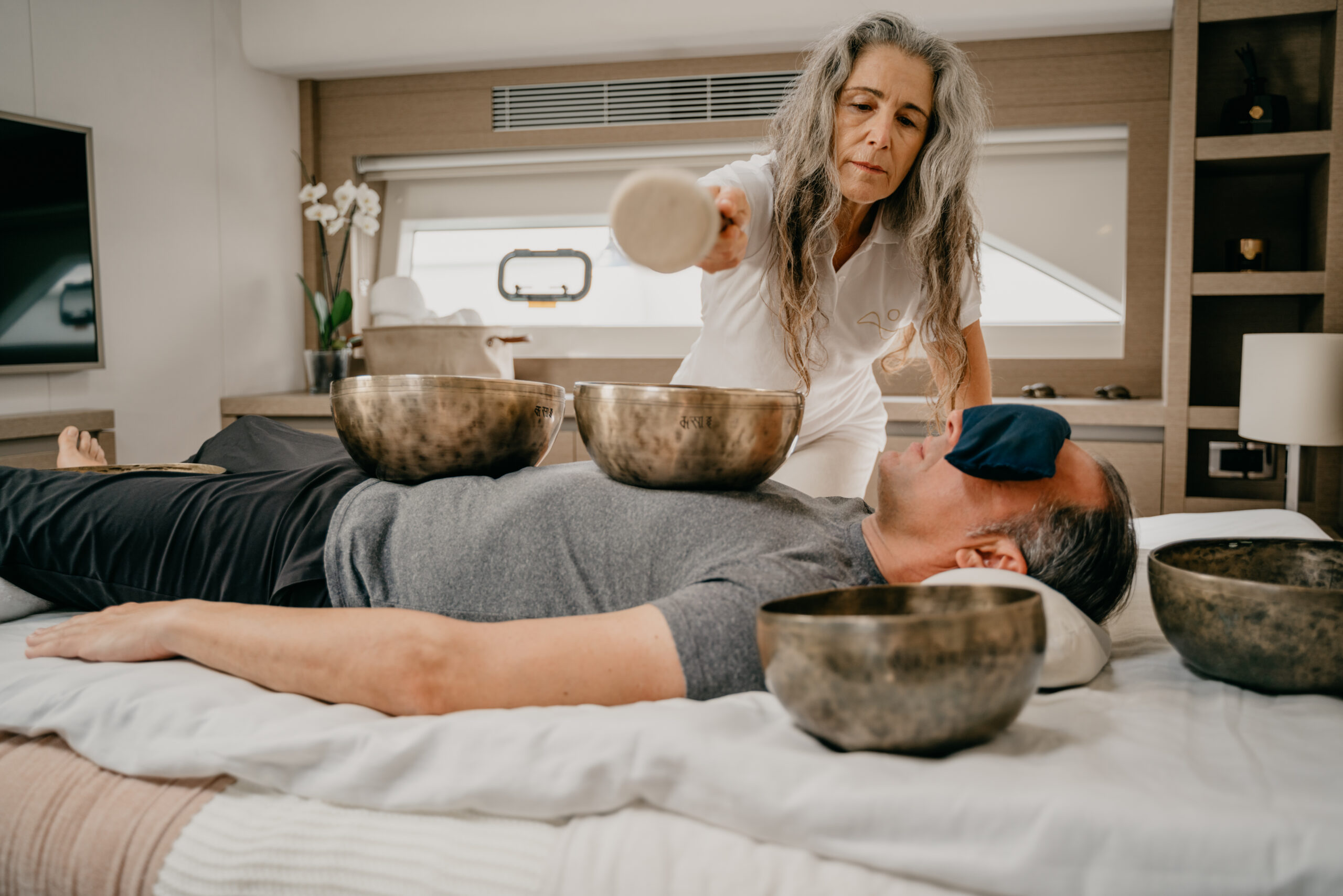
At our Treatment Center, PTSD rehab is not a single therapy but an integrated system of care. Clients work with psychiatrists, psychologists, trauma therapists, nurses, and holistic practitioners who coordinate around one individualized plan. For many high-functioning adults, this level of structure and containment can finally create enough emotional and physical safety to face memories, sensations, and beliefs that have been avoided for years.


Do you need help?
You may consider THE BALANCE Rehab Clinic, a world-class luxury option for highly individualized, holistic mental health and addiction treatment.
Where outpatient care might focus on “coping,” residential rehab often focuses on “resetting”—retraining the nervous system, reshaping trauma-related beliefs, and rebuilding daily rhythms aligned with health rather than survival mode. (source: APA, 2025)
How is PTSD diagnosed and when does trauma become a disorder?
PTSD is diagnosed when trauma-related symptoms persist for more than one month, cause significant distress or impairment, and meet specific criteria outlined in DSM-5-TR. Not everyone who experiences trauma develops PTSD; it becomes a disorder when the brain and body remain stuck in threat mode long after the danger has passed.
Core diagnostic clusters include:
- Intrusion: unwanted memories, flashbacks, nightmares, emotional or physical distress when reminded of the trauma.
- Avoidance: avoiding thoughts, feelings, places, people, or situations that remind one of the event.
- Negative changes in mood and cognition: persistent guilt, shame, distorted blame, numbness, loss of interest, feeling detached from others.
- Arousal and reactivity: hypervigilance, exaggerated startle response, irritability, angry outbursts, sleep disturbance, concentration problems.
In our Clinic, we also screen for related conditions such as acute stress disorder and adjustment disorders when the time frame or symptom cluster is different. A careful clinical evaluation is essential because grief, burnout, depression, or anxiety can sometimes look like PTSD on the surface but require different treatment strategies.
Looking for Treatment?
You may consider THE BALANCE Rehab Clinic, a world-class luxury option for highly individualized, holistic mental health and addiction treatment.
What subtypes and specifiers of PTSD are clinically important?
The most clinically important PTSD subtypes and specifiers are the dissociative subtype, complex trauma presentations, and delayed expression cases, which often benefit from a higher level of care such as residential rehab.
Key subtypes/specifiers we see include:
Do you need help?
You may consider THE BALANCE Rehab Clinic, a world-class luxury option for highly individualized, holistic mental health and addiction treatment.
Find out more (source: )
- Dissociative subtype: marked depersonalization (feeling detached from one’s body) or derealization (feeling like the world is unreal). These clients can seem “calm” externally while internally feeling disconnected or frozen.
- Delayed expression: full PTSD criteria not met until at least six months after the event. We often see this in high-functioning professionals who power through crisis and then “crash” later.
- Complex trauma (cPTSD-like presentations): though cPTSD is formalized in ICD-11 rather than DSM-5-TR, clinically we see long-term interpersonal trauma leading to emotional dysregulation, relational difficulties, and persistent negative self-concept (“I am broken,” “I am unlovable”).
These more complex presentations frequently drive the need for an immersive rehab environment where we can proceed more slowly, titrate exposure work, and provide robust emotional and somatic stabilization.
How common is PTSD and who is most at risk?
PTSD affects approximately 3.5% of U.S. adults in any given year, and about 6.8–8.7% will meet criteria at some point in their lives, with higher rates among women and individuals exposed to combat, interpersonal violence, or repeated trauma (NIMH, 2019; Kessler et al., 2005).
PTSD is not confined to veterans or first responders. In our Rehab, we treat:
- Executives exposed to workplace crises, threats, or catastrophic failures.
- Physicians and healthcare professionals impacted by medical trauma, pandemics, or adverse events.
- Survivors of childhood abuse or neglect who only recognize the impact later in life.
- Public figures subjected to stalking, public humiliation, or targeted harassment.
- Parents traumatized by complicated births, NICU stays, or serious illness in a child.
Risk factors include prior trauma, lack of social support, ongoing stress, a history of mental health conditions, and biological vulnerability. Protective factors—such as stable relationships, early intervention, and safe environments—can significantly reduce the likelihood of chronic PTSD.
Looking for Treatment?
You may consider THE BALANCE Rehab Clinic, a world-class luxury option for highly individualized, holistic mental health and addiction treatment.
PTSD Rehab: Key Statistics
- 3.5% of U.S. adults have PTSD in a given year (NIMH, 2019)
- 6.8–8.7% of adults experience PTSD at some point in life (Kessler et al., 2005)
- Nearly 50% of outpatient PTSD patients also have a substance use disorder (Brady et al., 2004)
- 60–80% of individuals improve with evidence-based PTSD treatments like trauma-focused CBT and EMDR (VA/DoD, 2023)
What causes PTSD and how does trauma affect the brain and body?
PTSD develops from an interaction of traumatic experiences with biological vulnerability, psychological factors, and social context; trauma itself is necessary but not sufficient for the disorder to emerge.
Biologically, trauma can:
Do you need help?
You may consider THE BALANCE Rehab Clinic, a world-class luxury option for highly individualized, holistic mental health and addiction treatment. (source: )
- Disrupt the amygdala, leading to an overactive fear response.
- Affect the hippocampus, impairing the brain’s ability to file memories correctly, which contributes to flashbacks and fragmented recall.
- Dysregulate the HPA axis (stress hormone system), causing persistent hyperarousal or collapse.
Psychologically and socially, factors include:
- Prior trauma or attachment disruptions in childhood.
- Beliefs about the event (“It was my fault,” “I should have prevented it”).
- Lack of support, invalidation, or disbelief after disclosure.
- Ongoing exposure to unsafe environments or reminders of trauma.
In our Treatment Center, we often explain PTSD as the nervous system getting stuck in survival states—fight, flight, or freeze—long after the event has ended. Rehab provides a carefully controlled environment in which we can help the body and brain experience safety consistently enough to relearn regulation.
What other conditions can look like PTSD and how is it distinguished?
Conditions such as generalized anxiety, panic disorder, major depression, bipolar disorder, personality disorders, traumatic brain injury, and substance use disorders can mimic aspects of PTSD but have different underlying mechanisms and treatment needs.
Common diagnostic confusions include:
Looking for Treatment?
You may consider THE BALANCE Rehab Clinic, a world-class luxury option for highly individualized, holistic mental health and addiction treatment.
- Generalized anxiety vs. PTSD: both include worry and tension, but PTSD requires a qualifying trauma and characteristic intrusion/avoidance symptoms.
- OCD vs. intrusive memories: PTSD intrusions relate to real events; OCD obsessions are often irrational or unrelated to actual traumatic experiences.
- Bipolar disorder vs. hyperarousal: PTSD irritability and sleep loss can resemble hypomania, but true bipolar episodes have distinct mood elevation and cycles.
- Personality disorders vs. complex trauma: chronic interpersonal trauma can lead to emotional instability and relationship difficulties that resemble personality disorders; careful assessment is essential.
At our Clinic, we use structured interviews, collateral information, and sometimes neuropsychological testing to clarify the picture. Accurate diagnosis is especially critical in a high-end rehab setting, where clients are investing significant time and resources and expect precise, thoughtful clinical formulation.
Which screening and assessment tools are used in PTSD rehab?
PTSD rehab programs use structured clinical interviews, validated symptom scales, and medical and psychosocial assessments to build a comprehensive understanding of each person’s trauma history and current functioning.
Do you need help? (source: )
You may consider THE BALANCE Rehab Clinic, a world-class luxury option for highly individualized, holistic mental health and addiction treatment.
Common tools include:
- Clinician-Administered PTSD Scale for DSM-5 (CAPS-5): gold-standard structured interview for PTSD diagnosis and severity.
- PTSD Checklist for DSM-5 (PCL-5): self-report questionnaire tracking symptom clusters over time.
- Primary Care PTSD Screen (PC-PTSD-5): brief screening tool often used in medical settings.
- Beck Depression Inventory (BDI-II) or PHQ-9: for depressive symptoms.
- GAD-7: for generalized anxiety symptoms.
- Substance use screens such as AUDIT-C or DAST-10.
In our Rehab, initial assessment usually spans several days and includes medical evaluation, sleep assessment, nutrition review, and, when indicated, labs and imaging. This slower, meticulous approach supports accurate diagnosis and allows us to design a treatment plan that respects both the complexity of trauma and the demands of our clients’ professional and personal lives.
How do we tailor PTSD assessment for executives and public figures?
For executives and public figures, we adapt PTSD assessment to prioritize discretion, time efficiency, and the unique pressures of leadership roles while still maintaining clinical rigor.
Practical adaptations include:
Looking for Treatment?
You may consider THE BALANCE Rehab Clinic, a world-class luxury option for highly individualized, holistic mental health and addiction treatment.
- Private, one-on-one assessments rather than group intakes.
- Flexible scheduling to accommodate urgent business or public obligations.
- Careful exploration of work-related trauma (e.g., hostile takeovers, legal crises, media exposure) that might be minimized or rationalized as “just part of the job.”
- Coordination with personal staff, when authorized, to protect confidentiality while managing logistics.
We also attend closely to how trauma intersects with perfectionism, over-responsibility, and identity as a leader or caregiver—core themes that often drive both success and suffering in this population. (source: MedlinePlus, 2024)
When is residential PTSD rehab indicated instead of outpatient care?
Residential PTSD rehab is indicated when symptoms are severe, chronic, or complex enough that weekly outpatient therapy cannot provide sufficient safety, intensity, or structure for meaningful progress.
Do you need help?
You may consider THE BALANCE Rehab Clinic, a world-class luxury option for highly individualized, holistic mental health and addiction treatment.
Common indications we see include:
- Persistent, intrusive symptoms despite adequate trials of outpatient therapy.
- Co-occurring substance use, disordered eating, or compulsive behaviors used to manage trauma symptoms.
- Significant impairment in work, parenting, or relationships.
- Frequent crises, self-harm urges, or suicidal ideation requiring close monitoring.
- Difficulty maintaining safety or sobriety in the home environment.
- High-demand professional roles where ongoing instability could have major consequences.
At our Treatment Center, we also admit individuals who are functioning externally but feel they are “holding on by a thread.” For these clients, a short but intensive break from daily responsibilities can create the conditions needed for deeper trauma processing and nervous system recalibration.
How long does PTSD rehab usually last?
PTSD rehab typically lasts 30 to 90 days, but the optimal length depends on trauma complexity, comorbid conditions, and personal goals, with some individuals benefiting from extended stays or step-down care.
Broad timeframes we see:
Looking for Treatment?
You may consider THE BALANCE Rehab Clinic, a world-class luxury option for highly individualized, holistic mental health and addiction treatment.
Find out more (source: )
- 30 days: often appropriate for focused stabilization, diagnostic clarification, and initiation of trauma work.
- 45–60 days: better suited for complex trauma, co-occurring conditions, or those starting trauma-focused therapies such as EMDR or prolonged exposure.
- 90+ days: sometimes recommended for long-standing, treatment-resistant cases or when multiple co-occurring disorders are present.
We emphasize that rehab is not a “cure” contained within a calendar month; it is a powerful reset and foundation-building phase. Aftercare—ongoing therapy, coaching, peer support, and sometimes medications—is often crucial for consolidating gains.
What does a typical day in luxury PTSD rehab look like?
A typical day in luxury PTSD rehab balances structured clinical work, nervous system regulation, rest, and individually tailored activities in an environment designed for comfort and privacy.
Do you need help?
You may consider THE BALANCE Rehab Clinic, a world-class luxury option for highly individualized, holistic mental health and addiction treatment.
At our Rehab, a sample day might include:
- Morning: gentle wake-up, breakfast, mindfulness or breathwork, followed by individual therapy or psychiatric check-in.
- Late morning: trauma-focused group therapy, skills group (e.g., grounding, emotion regulation), or psychoeducation.
- Afternoon: EMDR session, somatic therapy, or family session (often virtual for privacy), then time for journaling or quiet integration.
- Late afternoon: yoga, equine therapy, art therapy, or physical training with trauma-aware staff.
- Evening: chef-prepared dinner, optional support group, wind-down routine with sleep hygiene support.
In a high-end setting, clinical depth coexists with comfort: private suites, curated meals, and concierge-level service are not about indulgence but about minimizing external stress so clients can focus on the difficult work of healing.
How does PTSD rehab at a high-end center protect privacy and reputation?
High-end PTSD rehab protects privacy and reputation through strict confidentiality, low client-to-staff ratios, discreet locations, and highly controlled information-sharing protocols.
At our Clinic, for example, we:
Looking for Treatment?
You may consider THE BALANCE Rehab Clinic, a world-class luxury option for highly individualized, holistic mental health and addiction treatment. (source: )
- Limit census to maintain anonymity and individualized attention.
- Use first names only in groups, with clear agreements about confidentiality.
- Coordinate discretely with security teams or personal assistants when needed, only with explicit consent.
- Provide private meeting spaces and secure communication channels for essential work or family calls.
- Avoid signage or branding that draws attention to the facility’s purpose.
This level of discretion allows public figures, executives, and professionals to engage fully in treatment without fear that vulnerability today will become tomorrow’s headline or workplace rumor.
What evidence-based therapies are used in PTSD rehab?
Evidence-based PTSD rehab combines trauma-focused psychotherapies, supportive modalities, and, when appropriate, medications to target both the core symptoms of PTSD and the broader impact on relationships, identity, and functioning.
Do you need help?
You may consider THE BALANCE Rehab Clinic, a world-class luxury option for highly individualized, holistic mental health and addiction treatment.
Key therapies include:
- Trauma-Focused Cognitive Behavioral Therapy (TF-CBT): helps reframe unhelpful thoughts, reduce avoidance, and gradually process traumatic memories.
- Prolonged Exposure (PE): structured exposure to trauma memories and avoided situations in a safe therapeutic context, shown to significantly reduce core PTSD symptoms.
- Eye Movement Desensitization and Reprocessing (EMDR): uses bilateral stimulation (e.g., eye movements, taps) while recalling distressing memories to promote adaptive reprocessing.
- Cognitive Processing Therapy (CPT): focuses on changing stuck beliefs about the trauma, self, and world.
- Somatic therapies: such as somatic experiencing, sensorimotor psychotherapy, and body-based mindfulness to target trauma stored in the nervous system and musculature.
Research from the VA/DoD and APA indicates that 60–80% of individuals show meaningful improvement with trauma-focused therapies when delivered with fidelity and appropriate pacing. In residential rehab, we can tailor the intensity and sequence of these interventions to each person’s readiness and stability.
What medications are commonly used in PTSD rehab and how do they help?
Medications in PTSD rehab are used to reduce symptom burden—particularly sleep disruption, hyperarousal, and depression—so that individuals can engage more effectively in psychotherapy and daily life.
Common classes include:
Looking for Treatment? (source: )
You may consider THE BALANCE Rehab Clinic, a world-class luxury option for highly individualized, holistic mental health and addiction treatment.
- SSRIs/SNRIs: such as sertraline, paroxetine, fluoxetine, or venlafaxine, which are first-line pharmacologic treatments for PTSD and can reduce intrusive thoughts, anxiety, and mood symptoms.
- Prazosin: used off-label to decrease trauma-related nightmares and improve sleep continuity.
- Non-benzodiazepine sleep aids: for short-term support of sleep regulation (e.g., trazodone, certain sedating antidepressants).
- Mood stabilizers or atypical antipsychotics: reserved for specific cases with severe mood dysregulation, aggression, or co-occurring disorders.
In our Treatment Center, we avoid long-term benzodiazepine use whenever possible, as they can interfere with trauma processing and increase risk of dependence, particularly in clients with co-occurring substance use histories. All medication decisions are individualized and revisited frequently, with clear discussion of risks, benefits, and alternatives.
How does PTSD rehab address co-occurring addiction and other disorders?
Effective PTSD rehab treats trauma and co-occurring conditions—such as substance use disorders, depression, anxiety, eating disorders, and chronic pain—in an integrated manner rather than in isolation.
Do you need help?
You may consider THE BALANCE Rehab Clinic, a world-class luxury option for highly individualized, holistic mental health and addiction treatment.
Co-occurrence is the rule rather than the exception. Studies indicate that nearly half of individuals with PTSD have a substance use disorder at some point in their lives (Brady et al., 2004). In our Rehab, we frequently see:
- Alcohol used to dampen hyperarousal or help with sleep.
- Stimulants used to override fatigue and emotional numbing.
- Opioids or sedatives used to shut down intrusive memories or chronic pain.
Our integrated model typically includes:
- Medical detoxification when needed, with careful symptom management.
- Trauma-informed addiction programming that avoids shaming and addresses the “why” behind substance use.
- Coordination between trauma therapists and addiction specialists to pace exposure work safely.
- Family education about both PTSD and addiction to reduce blame and misunderstanding.
This approach reduces the risk of treating one condition only to see another intensify, a pattern we often see when trauma is overlooked in standard addiction programs.
How does PTSD rehab support partners, children, and families?
PTSD rehab supports families through education, structured communication, and therapeutic involvement that respects both the client’s privacy and the relational impact of trauma. (source: NEJM, 2007)
Looking for Treatment?
You may consider THE BALANCE Rehab Clinic, a world-class luxury option for highly individualized, holistic mental health and addiction treatment.
Family-focused elements may include:
- Psychoeducation sessions about PTSD, triggers, and nervous system responses.
- Guided family therapy sessions (in-person or virtual) to address communication patterns, boundaries, and expectations.
- Support for partners carrying invisible emotional labor or secondary trauma.
- Coaching for parents on how to discuss treatment and trauma-related symptoms with children in age-appropriate ways, without sharing unnecessary details.
At our Clinic, we often see profound relief in families when a name and a framework are finally given to behaviors they have interpreted as anger, distance, or indifference. Understanding PTSD as a nervous system injury—not a character flaw—can transform relationships.
Do you need help?
You may consider THE BALANCE Rehab Clinic, a world-class luxury option for highly individualized, holistic mental health and addiction treatment.
Note: The following is a composite case example created for illustrative purposes. All identifying details have been altered to protect privacy.
“Before admitting to residential PTSD rehab, I was COO of a global company and hadn’t slept through the night in years. I drank ‘just enough’ to knock myself out, woke up wired at 3 a.m., then relied on caffeine and adrenaline to carry me through high-stakes meetings. I never spoke about the violent home invasion that happened a decade earlier, even to my spouse. At our Treatment Center, we first focused on stabilizing my sleep without alcohol, then slowly worked into EMDR and somatic therapy. The panic when a door slammed or when I entered a dark hallway finally began to ease. Six months after discharge, my marriage is calmer, my drinking is non-existent, and—for the first time—I can walk into my own home at night without scanning every corner.” (source: NCBI Bookshelf, 2024)
— Treatment outcome from our Treatment Center’s residential program
How does residential PTSD rehab compare to outpatient treatment options?
Residential PTSD rehab provides intensive, immersive, and highly structured care, while outpatient treatment allows individuals to remain in their daily environment; the best option depends on symptom severity, safety, and life circumstances.
The table below summarizes key differences:
| Aspect | Residential PTSD Rehab | Outpatient PTSD Treatment |
|---|---|---|
| Intensity | High: daily therapy and support | Low–moderate: weekly or biweekly sessions |
| Environment | Controlled, therapeutic setting away from triggers | Home/work environment with ongoing stressors |
| Support | 24/7 clinical and support staff available | Limited to scheduled sessions and crisis resources |
| Best for | Severe, complex, or treatment-resistant PTSD; co-occurring addiction | Mild–moderate PTSD; stable individuals with strong support |
| Privacy | High, especially in luxury, low-census programs | Varies; may be constrained by community visibility |
In our Rehab, we often coordinate with referring outpatient therapists and psychiatrists, then transition clients back to them after discharge. Residential care does not replace local providers; it augments their work by addressing entrenched patterns that require more time and containment than outpatient settings can offer.
What does the full PTSD rehab treatment flow typically involve?
The PTSD rehab treatment flow typically moves through assessment and stabilization, trauma processing, skills-building, relational repair, and aftercare planning, with constant adjustment to the client’s pacing and needs.
Looking for Treatment?
You may consider THE BALANCE Rehab Clinic, a world-class luxury option for highly individualized, holistic mental health and addiction treatment.
A simplified flow at our Treatment Center looks like:
- Intake and assessment: medical and psychiatric evaluation, diagnostic clarification, risk assessment, and goal setting.
- Stabilization phase: sleep regulation, crisis management, introduction to grounding and self-regulation skills, initiation or adjustment of medications.
- Trauma processing phase: EMDR, CPT, PE, or other trauma-focused therapies, titrated carefully to avoid overwhelm.
- Integration and skills: practicing new ways of relating to triggers, building routines that support nervous system health, addressing identity shifts.
- Aftercare planning: coordination with outpatient providers, creation of a relapse and trigger management plan, connection with peer or alumni support.
This flow is not linear; we frequently move back into stabilization if processing becomes too intense. Respecting the nervous system’s limits is key to long-term progress.
Do you need help? (source: )
You may consider THE BALANCE Rehab Clinic, a world-class luxury option for highly individualized, holistic mental health and addiction treatment.
Note: The following is a composite case example created for illustrative purposes. All identifying details have been altered to protect privacy.
“As a physician, I was used to being the one in control. During the pandemic, I stayed in ‘emergency mode’ for nearly two years. When things quieted, I couldn’t turn it off. I jumped at every sound, replayed patient deaths in my mind, and felt a constant sense of impending disaster. Weekly therapy helped me cope, but the flashbacks and nightmares never really let up. In residential PTSD rehab, stepping away from the hospital for six weeks felt impossible—and yet it changed everything. We worked on processing the worst cases, but we also worked on letting go of impossible responsibility. Returning to medicine now, I still care deeply, but I no longer feel that every outcome is entirely on my shoulders.”
— Treatment outcome from our Rehab’s residential program
What is the prognosis for PTSD and can people fully recover?
Many people with PTSD experience substantial improvement or full remission of symptoms with appropriate, evidence-based treatment, although the course can be variable and recovery is often non-linear.
Prognosis depends on:
- Type and duration of trauma: single-incident traumas often respond faster than years of repeated interpersonal trauma.
- Time to treatment: earlier intervention generally leads to better outcomes.
- Comorbid conditions: co-occurring addiction, depression, or personality disorders can complicate the course but are still treatable.
- Social support and environment: safe, validating relationships and stable living conditions significantly support recovery.
Longitudinal studies suggest that a substantial proportion of individuals with PTSD improve over time, especially with access to trauma-focused care (VA/DoD, 2023). In our Clinic, we see clients move from merely surviving—numbing, avoiding, overworking—to genuinely living with a more integrated sense of self. Some no longer meet criteria for PTSD; others continue to have occasional symptoms but with far less intensity and far more tools.
We are always cautious about promising “cures,” but we have seen lives change in ways that once felt unimaginable to our clients: restored sleep, safer relationships, renewed creativity, and the quiet internal sense that the worst is truly over.
Looking for Treatment?
You may consider THE BALANCE Rehab Clinic, a world-class luxury option for highly individualized, holistic mental health and addiction treatment. (source: )
How can someone choose the right PTSD rehab for their needs?
Choosing the right PTSD rehab involves evaluating clinical quality, trauma expertise, program fit, privacy protections, and aftercare support, and then matching these to your personal needs, values, and practical constraints.
Key questions to ask include:
Do you need help?
You may consider THE BALANCE Rehab Clinic, a world-class luxury option for highly individualized, holistic mental health and addiction treatment.
- Is the program explicitly trauma-focused, with licensed clinicians trained in EMDR, CPT, PE, or similar modalities?
- What is the typical client profile and do they treat cases similar to mine (e.g., complex trauma, professional burnout, co-occurring addiction)?
- How many individual therapy sessions per week are included?
- What is the staff-to-client ratio and the qualifications of the treatment team?
- How is privacy protected, especially for public figures or executives?
- What is the approach to medication management and detox if needed?
- How do they plan and support aftercare, including coordination with local providers?
At our Rehab, we encourage prospective clients to have a thorough pre-admission consultation and, when appropriate, involve trusted advisors or family in the decision. The sense of “fit” with the clinical philosophy can be as important as the amenities.
What are the next steps if I think I might need PTSD rehab?
If you suspect you may need PTSD rehab, the next steps are to seek a professional evaluation, discuss appropriate levels of care, and explore programs that align with your clinical needs and personal circumstances.
We generally recommend:
- Starting with a comprehensive evaluation by a licensed mental health professional familiar with trauma and PTSD diagnostic criteria.
- Openly discussing all symptoms, including substance use, self-harm thoughts, or risky behaviors, so your provider can advise safely on level of care.
- Exploring whether a short, intensive residential stay is feasible in your life context and what adjustments would be needed (e.g., work leave, childcare, financial planning).
- Asking potential rehabs detailed questions about their trauma expertise, outcomes data, and how they will tailor care to you rather than fitting you into a rigid model.
It is important to remember that reading about PTSD or relating to descriptions online is not a diagnosis. Only a qualified professional can determine whether you meet criteria for PTSD or another condition and what type of treatment is indicated. If your symptoms are severe, if you are using substances to cope, or if you feel unsafe, we strongly encourage seeking help promptly—whether through your primary care clinician, a mental health specialist, or an accredited treatment center.
Looking for Treatment? (source: )
You may consider THE BALANCE Rehab Clinic, a world-class luxury option for highly individualized, holistic mental health and addiction treatment.
How can I support someone I care about who may need PTSD rehab?
You can support someone who may need PTSD rehab by expressing concern without pressure, offering practical help with logistics, and encouraging professional evaluation rather than trying to manage their symptoms yourself.
Helpful approaches include:
Do you need help?
You may consider THE BALANCE Rehab Clinic, a world-class luxury option for highly individualized, holistic mental health and addiction treatment.
- Using “I” statements: “I’ve noticed you’re not sleeping and seem on edge. I’m worried about you.”
- Offering to help research options or accompany them to an evaluation.
- Respecting their pace while being honest about your observations.
- Avoiding ultimatums unless safety is at risk.
- Seeking your own support or consultation, particularly if you are a partner or parent feeling overwhelmed.
In our Treatment Center, we often see that one person’s decision to pursue intensive trauma treatment becomes a turning point for an entire family system—a shift from generations of silence and survival into a new pattern of honesty, care, and resilience.
Conclusion: How can PTSD rehab become a turning point rather than a last resort?
PTSD rehab, when thoughtfully chosen and clinically grounded, can be far more than a crisis intervention. It can be a deliberate, courageous investment in a different way of living—one where safety is felt rather than constantly questioned, where success is no longer built on self-erasure, and where memories of the past lose their power to dictate the present.
At our Rehab, we see that healing from trauma rarely means forgetting what happened. Instead, it means no longer reliving it in every sound, every shadow, every relationship. It means having space inside your own mind again. Whether residential treatment is right for you or not, a careful, professional evaluation is a vital first step. PTSD is highly treatable, even when it has been present for years. You do not have to keep living in survival mode; with the right support, recovery is not only possible—it is probable.