

- Discover symptoms, causes, and luxury treatment options for PTSD and attachment trauma in a private, expert-led clinical environment.
- PTSD, or post-traumatic stress disorder, and attachment trauma refer to conditions where overwhelming stress or disrupted early relationships profoundly impact mental health and emotional well-being.
- PTSD is a psychiatric disorder that can develop after exposure to actual or threatened death, serious injury, or sexual violence.
What is PTSD and attachment trauma and how is it defined?
PTSD, or post-traumatic stress disorder, and attachment trauma refer to conditions where overwhelming stress or disrupted early relationships profoundly impact mental health and emotional well-being.
Looking for Treatment?
You may consider THE BALANCE Rehab Clinic, a world-class luxury option for highly individualized, holistic mental health and addiction treatment.
PTSD is a psychiatric disorder that can develop after exposure to actual or threatened death, serious injury, or sexual violence. Attachment trauma describes disruptions in the bond between a child and primary caregiver, usually through neglect, abuse, or inconsistent care, leading to lifelong impacts on trust, emotional regulation, and relationships. In clinical practice, many clients live with both conditions, as early attachment wounds can increase vulnerability to PTSD after later traumatic events. Both can be sources of deep suffering but are highly treatable with expert, individualized care.
What causes PTSD and attachment trauma?
PTSD is caused by exposure to life-threatening events, while attachment trauma arises from early disruptions in the caregiver-child bond, such as neglect or abuse.



Do you need help?
You may consider THE BALANCE Rehab Clinic, a world-class luxury option for highly individualized, holistic mental health and addiction treatment.
Experiences leading to PTSD include military combat, accidents, assaults, or witnessing violence. Attachment trauma often originates in childhood when caregivers are emotionally unavailable, unpredictable, or abusive. In luxury clinical settings, we see that clients may have complex trauma histories: early attachment wounds can make individuals more susceptible to PTSD after later life stressors. The intersection of these traumas can influence coping, self-esteem, and the capacity for trusting relationships.
- Physical, emotional, or sexual abuse
- Loss of a caregiver through death or separation
- Parental mental illness or substance use
- Exposure to domestic violence
- Medical emergencies or invasive procedures in childhood
- Combat, natural disasters, or severe accidents
What are the main symptoms of PTSD and attachment trauma?
Symptoms of PTSD include intrusive memories, avoidance, negative mood changes, and hyperarousal; attachment trauma often leads to emotional dysregulation, trust issues, and unstable relationships.
During assessments, we look for patterns in both symptom clusters. Many clients describe feeling emotionally “frozen” or hypervigilant, struggling with intimacy or self-worth, and experiencing nightmares or flashbacks. Sensory triggers—like a certain smell or sound—can evoke overwhelming distress. Emotional numbness, persistent shame, and difficulty calming down after stress are also common. In private, luxury settings, clients may mask these symptoms with perfectionism or high achievement, making careful evaluation crucial.
- Intrusive memories or flashbacks
- Avoidance of reminders of the trauma
- Persistent negative beliefs about oneself or the world
- Feeling detached or estranged from others
- Hypervigilance and exaggerated startle response
- Difficulty trusting others or forming close relationships
- Chronic emotional instability
- Self-destructive behaviors, including substance use
- Up to 8% of U.S. adults will experience PTSD at some point.
- About 1 in 4 children experience attachment disruptions.
- Comorbidity with depression or substance use disorders occurs in over 50% of cases.
- Early intervention can reduce symptom severity by 40% or more.
Sources: NIMH, CDC, SAMHSA
How is PTSD and attachment trauma diagnosed?
Diagnosis of PTSD and attachment trauma involves comprehensive clinical interviews, validated screening tools, and careful exploration of trauma history and relational patterns.
Looking for Treatment?
You may consider THE BALANCE Rehab Clinic, a world-class luxury option for highly individualized, holistic mental health and addiction treatment.
We use structured tools like the Clinician-Administered PTSD Scale (CAPS-5) and attachment-focused assessments to identify symptom patterns. During intake, we create a safe, private space for clients to share their histories—often for the first time. Multidisciplinary teams, including psychiatrists, psychologists, and trauma specialists, collaborate to distinguish PTSD from complex trauma or co-occurring disorders like depression or addiction. In high-end settings, neuropsychological testing and medical evaluation are often integrated to clarify diagnosis and tailor care.
- Review of trauma exposure and symptoms
- Standardized questionnaires (e.g., PCL-5, Adult Attachment Interview)
- Assessment of mood, anxiety, and substance use
- Evaluation of relational patterns and developmental history
- Medical and neurological screening, as needed
What are the risk factors and complications of PTSD and attachment trauma?
Risk factors include early life adversity, genetic predisposition, lack of social support, and repeated trauma; complications can involve chronic mental health problems, addiction, and impaired relationships.
Do you need help?
You may consider THE BALANCE Rehab Clinic, a world-class luxury option for highly individualized, holistic mental health and addiction treatment.
Many clients with attachment trauma have experienced multiple forms of adversity, increasing their risk for PTSD after later events. Complications can include depression, anxiety, substance misuse, eating disorders, self-harm, and even chronic medical conditions. In luxury clinical practice, we often see that unaddressed trauma can undermine professional success, family harmony, and personal fulfillment. Early intervention, multidisciplinary support, and a nurturing environment are critical for reducing these risks.
- Family history of mental illness
- Chronic stress or ongoing adversity
- Lack of supportive relationships in childhood
- Repeated or severe trauma exposures
- Co-occurring medical or psychiatric disorders
- Difficulty regulating emotions or impulses
What treatments are most effective for PTSD and attachment trauma?
Effective treatments include trauma-focused therapy, attachment-based interventions, medication, and holistic approaches in a safe, supportive setting.
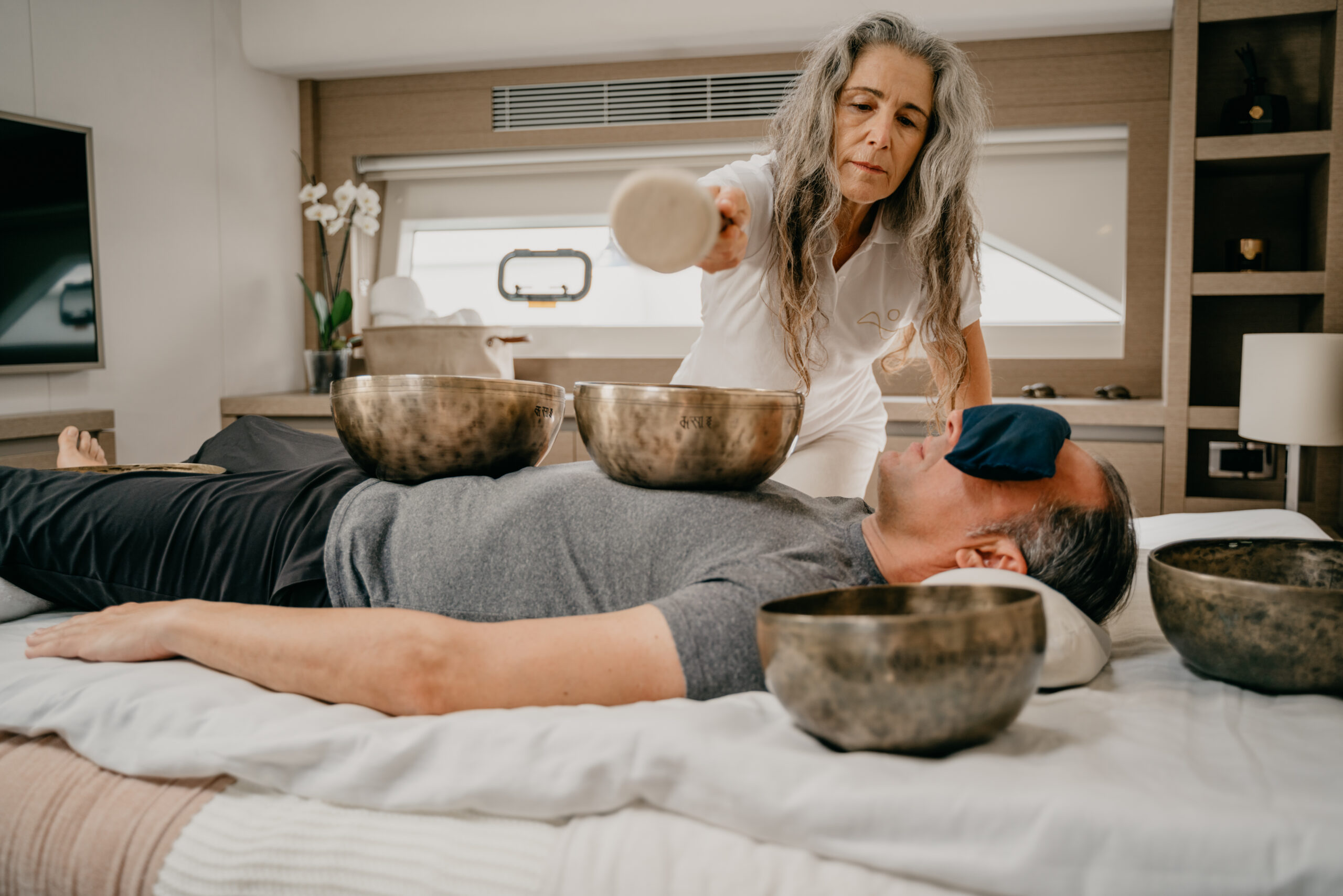
In clinical experience, the most impactful interventions are individualized and multidisciplinary. Evidence-based therapies such as Eye Movement Desensitization and Reprocessing (EMDR), Trauma-Focused Cognitive Behavioral Therapy (TF-CBT), and Internal Family Systems (IFS) help process traumatic memories and reshape self-perception. Attachment-based therapies foster emotional security and healthy relationship patterns. Medications, such as SSRIs, can relieve symptoms of anxiety or depression. Luxury programs offer complementary modalities—yoga, mindfulness, equine therapy, art therapy—which enhance regulation and self-awareness. Treatment plans are always customized, respecting each client’s privacy, preferences, and clinical needs.
- EMDR (Eye Movement Desensitization and Reprocessing)
- Trauma-Focused CBT
- Attachment-Based Psychotherapy
- Mindfulness and somatic therapies
- Medication management
- Group and family therapy
- Complementary therapies (yoga, art, equine, nutrition)
| Treatment Type | Key Benefits | Luxury Program Features |
|---|---|---|
| Inpatient/Residential | 24/7 support, intensive therapy, safe containment | Private suites, spa amenities, holistic services |
| Outpatient/Day Treatment | Flexible scheduling, step-down care | Discreet, individualized sessions |
| Detox & Dual Diagnosis | Medical stabilization, integrated addiction care | Medical concierge, privacy, multidisciplinary team |
When should someone seek help for PTSD and attachment trauma?
Seek help when symptoms interfere with daily life, relationships, work, or overall well-being—or if there is any risk of harm to self or others.
Looking for Treatment?
You may consider THE BALANCE Rehab Clinic, a world-class luxury option for highly individualized, holistic mental health and addiction treatment.
Many clients delay reaching out due to shame, stigma, or fear of judgment. In luxury settings, confidentiality and respect are paramount, creating a safe space for healing. If you notice persistent distress, emotional numbness, difficulty forming or maintaining relationships, substance misuse, or overwhelming anxiety, it is time to consult a trauma-informed professional. Early intervention can dramatically improve prognosis and prevent complications.
- Symptoms lasting longer than one month
- Sleep disturbances, nightmares, or flashbacks
- Difficulty concentrating or functioning at work
- Increased use of substances to cope
- Withdrawal from loved ones
- Feelings of hopelessness or despair
A client in their 40s, a high-profile executive, described years of success masking deep feelings of emptiness and mistrust. Early childhood neglect and a recent traumatic loss led to insomnia, panic attacks, and withdrawal from family. Through customized trauma therapy, medication, and gentle holistic practices in a private environment, they found the courage to process their pain and rebuild secure, meaningful connections.
What happens in a private, luxury treatment program for PTSD and attachment trauma?
Private, luxury treatment programs offer highly individualized, discreet care with multidisciplinary teams, evidence-based therapies, and comprehensive holistic support in a serene, exclusive setting.
Do you need help?
You may consider THE BALANCE Rehab Clinic, a world-class luxury option for highly individualized, holistic mental health and addiction treatment.
Clients can expect thorough assessments, tailored trauma and attachment therapies, medication management, and access to integrative services like nutrition, movement, and expressive arts. Privacy is strictly maintained, and amenities support comfort and dignity—private suites, spa services, and gourmet dining are standard. Family involvement is often encouraged, with dedicated support for loved ones. Aftercare planning ensures sustained healing long after discharge. The goal is to restore emotional safety, self-esteem, and the capacity for healthy, fulfilling relationships.
- Comprehensive diagnostic evaluation
- One-on-one trauma and attachment therapy
- Medication and medical care as needed
- Daily mindfulness, yoga, or movement sessions
- Individualized nutrition and wellness planning
- Family therapy and support
- Aftercare and ongoing relapse prevention
How do dual diagnosis and substance use complicate PTSD and attachment trauma?
Co-occurring substance use disorders significantly complicate PTSD and attachment trauma by increasing emotional instability, impairing judgment, and heightening relapse risk.
Many clients use substances to numb distressing symptoms or cope with painful memories, creating a cycle of avoidance and dependency. Integrated dual diagnosis treatment is essential, addressing both trauma and addiction simultaneously. In practice, this involves medical detox, psychiatric support, trauma-informed therapy, and relapse prevention planning. Luxury settings ensure privacy and comfort during detoxification and rehabilitation, with constant medical supervision and a focus on emotional and physical safety.
- Integrated trauma and addiction care
- Medical detox with comfort-focused protocols
- Medication-assisted treatment, if indicated
- Relapse prevention strategies
- Ongoing support for emotional triggers
What are the benefits of holistic and integrative therapies in luxury PTSD and attachment trauma care?
Holistic and integrative therapies enhance trauma recovery by supporting mind-body healing, emotional regulation, and personal empowerment in a luxury setting.
Looking for Treatment?
You may consider THE BALANCE Rehab Clinic, a world-class luxury option for highly individualized, holistic mental health and addiction treatment.
Clients often report breakthroughs through yoga, meditation, equine therapy, creative arts, and nature-based interventions. These modalities activate calming neural pathways, foster nonverbal expression, and build resilience. Nutrition, sleep hygiene, and fitness are integrated, honoring each individual’s unique needs and preferences. In luxury care, the environment itself—serene, beautiful, and secure—becomes part of the healing process, allowing clients to reconnect with themselves in safety and comfort.
- Mindfulness and meditation
- Yoga and somatic experiencing
- Art, music, and expressive therapies
- Equine-assisted therapy
- Personalized nutrition and fitness plans
- Nature immersion and outdoor activities
What is the prognosis and outlook after treatment for PTSD and attachment trauma?
With comprehensive, individualized treatment, most clients experience significant symptom relief, improved relationships, and restored quality of life.
Do you need help?
You may consider THE BALANCE Rehab Clinic, a world-class luxury option for highly individualized, holistic mental health and addiction treatment.
Recovery is not linear—healing from PTSD and attachment trauma often involves gradual progress and occasional setbacks. Early intervention, consistent therapeutic support, and a nurturing, luxurious environment contribute to sustained gains. Many clients rediscover joy, resilience, and the ability to build secure, trusting relationships. Ongoing aftercare and relapse prevention are crucial for long-term success, especially for those with dual diagnoses.
- Reduced symptoms of anxiety, depression, and hyperarousal
- Greater emotional regulation and self-compassion
- Improved relationships and social functioning
- Lower relapse rates for substance use
- Enhanced overall well-being and life satisfaction
What should I do next if I or someone I love may have PTSD and attachment trauma?
If you suspect PTSD or attachment trauma, reach out to a trauma-informed mental health professional for a confidential assessment and tailored support plan.
Healing is possible, no matter how long you have struggled or how complex your history. In luxury clinical settings, we honor each client’s story, privacy, and strengths as we walk alongside you toward recovery. Whether you need intensive residential care, discreet outpatient therapy, or integrated dual diagnosis treatment, taking the first step—seeking help—opens the door to lasting change. Compassionate, expert care is available, and you do not have to face this alone.
- Schedule a confidential evaluation with a trauma specialist
- Explore treatment options that match your needs and preferences
- Engage supportive loved ones or trusted advisors
- Prioritize self-care and safety while seeking help
- Trust that healing is a journey, and expert support can make all the difference
References
- National Institute of Mental Health – PTSD
- SAMHSA – Trauma and Violence
- CDC – Children’s Mental Health
- NHS – PTSD
- Attachment Trauma and Adult Psychopathology (NIH)
- U.S. Department of Veterans Affairs – Complex PTSD
- Psychology Today – Attachment Theory
- American Psychological Association – PTSD and Trauma