

- Discover how luxury rehab combines evidence-based treatment, privacy, and comfort to treat addiction and mental health at the highest standard of care.
- Luxury rehab refers to an addiction and mental health treatment program that delivers evidence-based medical and psychological care within a highly private, comfortable, and service-oriented residential setting.
- In our clinical practice, we see “luxury rehab” misunderstood as simply “rehab with nice views.” In reality, true luxury rehab is defined less by décor and more by the depth and quality of care wrapped in a discreet, high-comfort environment.
What does “luxury rehab” actually mean in clinical practice?
Luxury rehab refers to an addiction and mental health treatment program that delivers evidence-based medical and psychological care within a highly private, comfortable, and service-oriented residential setting.
Looking for Treatment?
You may consider THE BALANCE Rehab Clinic, a world-class luxury option for highly individualized, holistic mental health and addiction treatment.
In our clinical practice, we see “luxury rehab” misunderstood as simply “rehab with nice views.” In reality, true luxury rehab is defined less by décor and more by the depth and quality of care wrapped in a discreet, high-comfort environment.
At our Rehab, our Treatment Center, our Clinic, a luxury program typically includes:


Do you need help?
You may consider THE BALANCE Rehab Clinic, a world-class luxury option for highly individualized, holistic mental health and addiction treatment.
- 24/7 on-site medical and clinical support
- Comprehensive diagnostic evaluations (psychiatric, medical, psychological)
- Low client-to-staff ratios and extensive 1:1 care
- Private or suite-style accommodations
- Gourmet, medically informed nutrition
- Integrated treatment for addiction and co-occurring mental health conditions
- Executive-level privacy and confidentiality
- Robust aftercare and relapse prevention planning
The “luxury” is not a substitute for clinical rigor; it is a container that allows high-functioning individuals to engage deeply in treatment while maintaining dignity, comfort, and discretion.
Who is luxury rehab designed for, and what conditions are treated?
Luxury rehab is designed for individuals who need intensive, residential-level care for addiction and/or mental health disorders and who also require heightened privacy, flexibility, and comfort.
Clinically, we most often treat:
- Alcohol use disorder
- Opioid, stimulant, or sedative use disorders
- Behavioral addictions (e.g., gambling, compulsive sexual behavior, sometimes gaming)
- Major depressive disorder and bipolar disorder
- Anxiety disorders (generalized anxiety, panic disorder, social anxiety)
- Trauma-related disorders, including PTSD and complex trauma
- Personality traits and disorders that complicate recovery (e.g., borderline, narcissistic features)
- Stress-related burnout and executive exhaustion
Many of our clients are high-net-worth individuals, executives, public figures, entrepreneurs, and professionals whose lives are highly visible or high-pressure. They often present with complex comorbidities, such as alcohol use disorder plus major depression, or stimulant misuse layered on top of untreated ADHD (NIDA, 2020).
Looking for Treatment?
You may consider THE BALANCE Rehab Clinic, a world-class luxury option for highly individualized, holistic mental health and addiction treatment.
Clinical presentations vary. Some arrive in acute crisis, while others are still outwardly “high-functioning” but internally depleted, ashamed, and scared of losing everything.
When is luxury residential rehab clinically indicated instead of outpatient care?
Luxury residential rehab is indicated when the severity, risk, or complexity of addiction or mental health symptoms cannot be safely or effectively treated in an outpatient setting.
Do you need help?
You may consider THE BALANCE Rehab Clinic, a world-class luxury option for highly individualized, holistic mental health and addiction treatment.
In our experience, residential care becomes appropriate when one or more of the following are present:
- Medical or withdrawal risk: Alcohol, benzodiazepine, or opioid dependence with risk of severe withdrawal or medical complications (SAMHSA, 2020).
- Safety concerns: Suicidal ideation, self-harm risk, or behavior that places the person or others at risk.
- Repeated relapse: Multiple failed attempts at outpatient or intensive outpatient treatment.
- High environmental triggers: Home or work environments saturated with substance access, enabling, or trauma.
- Complex comorbidity: Co-occurring conditions such as PTSD, bipolar disorder, eating disorders, or chronic pain.
- Functional impairment: Decline in work performance, relationships, or self-care despite high external success.
Luxury rehab is not a “spa” or vacation. It is medically and therapeutically intensive care, delivered in a setting that minimizes distraction and maximizes engagement, dignity, and safety.
How does luxury rehab address diagnosis, assessment, and underlying causes?
Luxury rehab uses comprehensive, multi-day assessment to clarify diagnosis, identify subtypes, and uncover the biological, psychological, and social drivers of addiction and mental health symptoms.
At admission, we typically complete:
Looking for Treatment?
You may consider THE BALANCE Rehab Clinic, a world-class luxury option for highly individualized, holistic mental health and addiction treatment.
- Psychiatric evaluation: Structured interviews aligned with DSM-5-TR criteria for substance use and mental disorders (APA, 2022).
- Medical assessment: Physical exam, labs, and, when indicated, cardiac, neurological, or pain evaluations.
- Psychological testing: Tools such as the MMPI-2-RF, PAI, or personality inventories when clinically useful.
- Addiction-specific tools: AUDIT, DAST-10, CIWA-Ar, COWS, and others depending on substances involved (NIDA, 2020).
- Trauma and mood screening: Instruments like the PCL-5 for PTSD, PHQ-9 for depression, GAD-7 for anxiety.
- Functional and lifestyle assessment: Sleep, nutrition, physical activity, work stress, relationship patterns.
We look for subtypes and specifiers—for example, alcohol use disorder with anxious distress, stimulant use in the context of untreated ADHD, or depression with mixed features. This level of nuance matters because it shapes the medication plan, psychotherapy focus, and relapse prevention strategies.
Etiology is almost always multifactorial. We explore:
Do you need help?
You may consider THE BALANCE Rehab Clinic, a world-class luxury option for highly individualized, holistic mental health and addiction treatment.
- Genetic and family history of addiction or mood disorders
- Early attachment patterns and developmental trauma
- Personality traits such as perfectionism, impulsivity, or high sensation-seeking
- Chronic stress, burnout, or moral injury in high-responsibility roles
- Cultural, relational, and environmental pressures
How does luxury rehab handle differential diagnosis and comorbidities?
Luxury rehab handles differential diagnosis by using a multidisciplinary team to distinguish overlapping conditions and to treat co-occurring disorders simultaneously rather than sequentially.
For example, we often differentiate between:
- Primary bipolar disorder vs. stimulant-induced mood symptoms
- Complex PTSD vs. borderline personality disorder features
- ADHD vs. anxiety-driven distractibility and overwhelm
- Major depression vs. alcohol-induced depressive episodes
Research consistently shows that co-occurring mental health disorders are the rule, not the exception, in substance use treatment populations (NIDA, 2020). Treating only the addiction while ignoring trauma, mood, or personality dynamics leads to poor outcomes. In luxury rehab, we have the time, staffing, and privacy to explore these layers in depth.
What evidence-based treatments are used in a luxury rehab setting?
Luxury rehab uses the same evidence-based treatments recommended in national and international guidelines, delivered with greater intensity, individualization, and support.
Looking for Treatment?
You may consider THE BALANCE Rehab Clinic, a world-class luxury option for highly individualized, holistic mental health and addiction treatment.
Core treatment modalities typically include:
- Medical detoxification: Supervised withdrawal management with appropriate medications (e.g., benzodiazepines for alcohol withdrawal, buprenorphine for opioid use disorder) when indicated (SAMHSA, 2020).
- Psychopharmacology: Antidepressants, mood stabilizers, antipsychotics, or anti-craving medications such as naltrexone or acamprosate, tailored to diagnosis and medical profile (NIDA, 2018).
- Cognitive Behavioral Therapy (CBT): To identify and change distorted thinking, emotional triggers, and relapse patterns (APA, 2019).
- Dialectical Behavior Therapy (DBT): For emotion regulation, distress tolerance, and interpersonal effectiveness—especially valuable for clients with intense emotional swings or self-destructive patterns.
- Motivational Interviewing (MI): To resolve ambivalence and strengthen internal motivation for change.
- Trauma-focused therapies: Including EMDR, prolonged exposure, or trauma-focused CBT where appropriate (NIMH, 2023).
- Family and couples therapy: To address relational dynamics, boundaries, and communication.
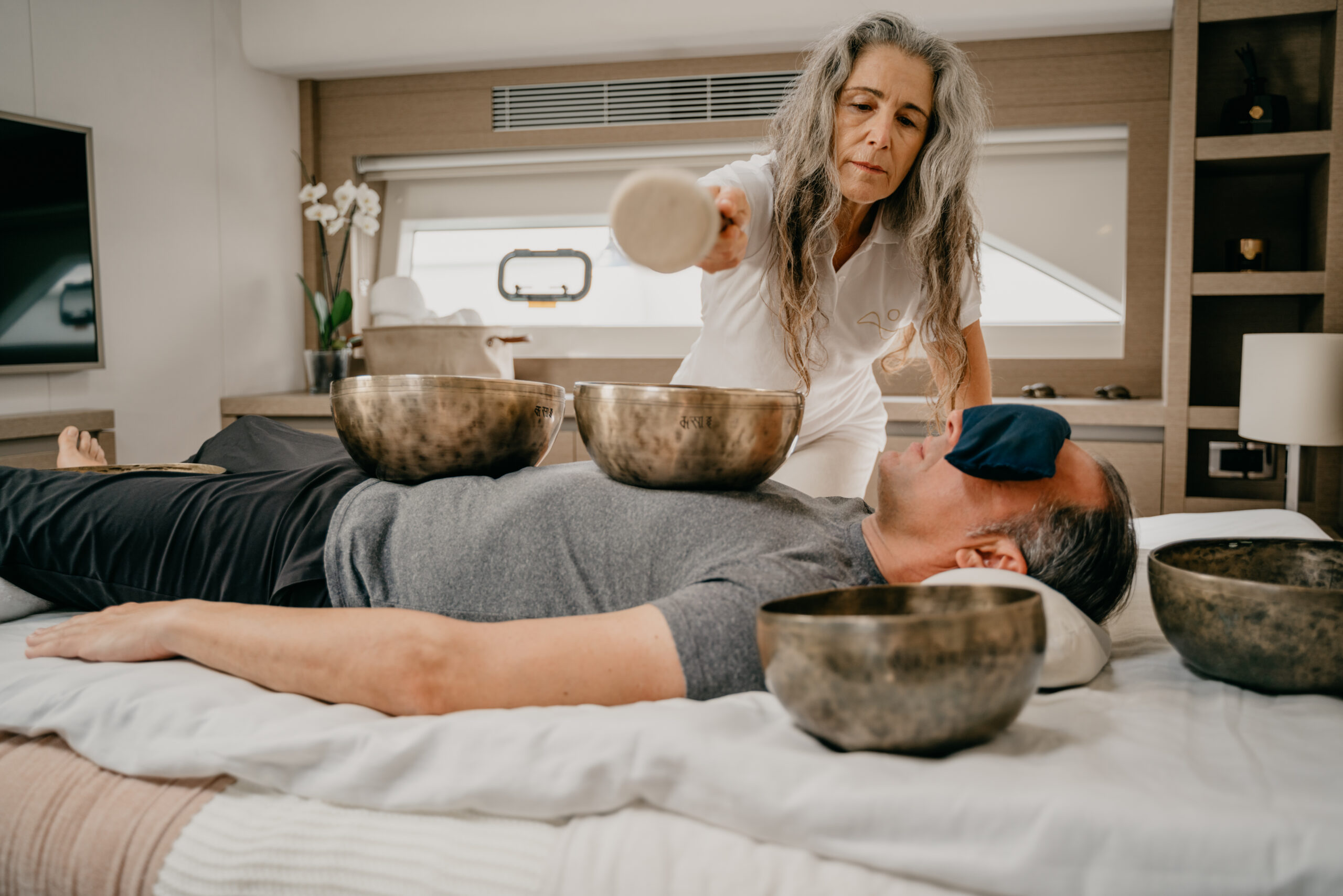
In our setting, these are complemented by holistic and experiential therapies—yoga, mindfulness, somatic work, equine-assisted therapy, creative arts, and physical conditioning—chosen not as “extras,” but as clinically integrated tools to regulate the nervous system and build sustainable coping strategies.
Do you need help?
You may consider THE BALANCE Rehab Clinic, a world-class luxury option for highly individualized, holistic mental health and addiction treatment.
How does treatment flow from admission to aftercare in luxury rehab?
Treatment in luxury rehab flows through a structured but individualized continuum from assessment to aftercare, ensuring continuity of care and ongoing support.
A typical trajectory looks like:
- Intake & stabilization: Medical and psychiatric assessment, detox if needed, safety planning, and initial diagnostic formulation.
- Intensive therapeutic phase: Daily individual therapy, group therapy, skills training, and family work; medication optimization; integration of holistic modalities.
- Functional rehabilitation: Gradual reintegration of work-related planning, executive coaching, and boundary setting for return to high-pressure roles.
- Relapse prevention planning: Identification of triggers, high-risk scenarios, and early warning signs; written and shared plan.
- Aftercare coordination: Step-down to outpatient, intensive outpatient, sober companion, or virtual therapy; collaboration with local providers.
We pay particular attention to transitions, as data show that the highest relapse risk often occurs in the first weeks after discharge (NIDA, 2018).
luxury rehab: Key Statistics
- 46.3 million people in the U.S. met criteria for a substance use disorder in 2021, yet only 6.3% received specialty treatment (SAMHSA, 2023).
- About 9.2 million adults had both a mental illness and a substance use disorder in 2021 (SAMHSA, 2023), underscoring the need for integrated care.
- Longer stays (≥90 days) in high-quality residential or continuing care are associated with better outcomes and reduced relapse risk (NIDA, 2018).
How is luxury rehab different from standard rehab programs?
Luxury rehab differs from standard rehab by combining comparable or higher clinical rigor with enhanced privacy, individualized attention, environmental quality, and service level.
Looking for Treatment?
You may consider THE BALANCE Rehab Clinic, a world-class luxury option for highly individualized, holistic mental health and addiction treatment.
While quality varies widely across all levels of care, key differences at well-run luxury programs typically include:
- Lower client census and higher staff-to-client ratios
- More frequent and longer individual therapy sessions
- On-site medical providers and specialists with substantial experience in complex cases
- Private or semi-private accommodations and curated amenities
- Greater flexibility for executives and public figures (e.g., structured, limited work access)
- Enhanced discretion, including NDAs and secure, confidential communication protocols
Can you compare luxury rehab and standard rehab side by side?
Luxury rehab and standard rehab share core clinical goals, but they differ in environment, intensity of individualized care, and service experience.
Do you need help?
You may consider THE BALANCE Rehab Clinic, a world-class luxury option for highly individualized, holistic mental health and addiction treatment.
| Aspect | Luxury Rehab | Standard Rehab |
|---|---|---|
| Setting | High-end, private residences or estates; serene, resort-like environments | Clinical or hospital-like facilities; more basic accommodations |
| Client-to-staff ratio | Low; extensive one-on-one time | Moderate to high; more group-focused |
| Privacy | Enhanced discretion; ideal for executives and public figures | Standard healthcare confidentiality |
| Therapy intensity | Frequent individual sessions; integrated specialized therapies | More reliance on groups; fewer individual sessions |
| Amenities | Private rooms, gourmet meals, wellness services, concierge support | Basic shared rooms and meals; limited wellness services |
| Flexibility for work | Structured, clinically supervised work access when appropriate | Often strict no-work policies |
Importantly, a luxurious environment does not guarantee clinical quality. We always encourage families to ask detailed questions about accreditation, staff credentials, outcomes tracking, and evidence-based practices.
What is it actually like to be in a luxury rehab day-to-day?
Being in luxury rehab typically feels like living in a calm, well-appointed residence where your days are structured around intensive treatment, self-reflection, and restorative practices.
While schedules vary by program, a typical weekday might include:
- Morning vitals and brief medical check-in
- Breakfast prepared by a culinary team aligned with nutritional needs
- Individual psychotherapy (e.g., CBT, trauma work) or psychiatry sessions
- Process or psychoeducational group therapy
- Lunch and time for journaling or rest
- Skills groups (DBT, relapse prevention, mindfulness)
- Holistic therapies such as yoga, somatic work, or equine therapy
- Optional light work check-ins for approved clients, under clear boundaries
- Evening reflection, support group, or family session (virtual or in-person)
The environment is intentionally designed to be soothing but not numbing. We want clients to feel safe enough to access difficult emotions and honest conversations, while also experiencing the physical comfort and respect that can be deeply corrective for people used to pushing themselves relentlessly.
Looking for Treatment?
You may consider THE BALANCE Rehab Clinic, a world-class luxury option for highly individualized, holistic mental health and addiction treatment.
Note: The following is a composite case example created for illustrative purposes. All identifying details have been altered to protect privacy.
“When he arrived, he was a 52-year-old CEO who hadn’t slept more than three hours a night in years. His drinking was no longer ‘social’; it was a nightly anesthetic. In our residential program, we first stabilized his withdrawal and untreated hypertension. Over the next weeks, he slowly shifted from checking his phone every few minutes to actually sitting through a full therapy session without it in his hand. We worked through long-buried grief, perfectionism, and the belief that rest was weakness. By discharge, he had a concrete relapse prevention plan, a family communication agreement, and for the first time in decades, a sleep routine that didn’t involve alcohol.”
— Treatment outcome from our Rehab, our Treatment Center, our Clinic’s residential program
How does luxury rehab support executives, entrepreneurs, and public figures?
Luxury rehab supports executives and public figures by combining rigorous clinical treatment with tailored privacy, security, and structured flexibility around professional responsibilities.
In our work with leaders and high-profile individuals, we pay attention to:
Do you need help?
You may consider THE BALANCE Rehab Clinic, a world-class luxury option for highly individualized, holistic mental health and addiction treatment.
- Reputation and confidentiality: Discreet admission processes, limited census, NDAs, and strict media policies.
- Security: Controlled access to the property, secure digital communication, and sometimes personal security coordination.
- Work demands: Carefully negotiated, time-limited access to email or calls, only when clinically appropriate and not in the first days of detox.
- Role-related stressors: Guilt about stepping away, fear of business impact, and identity tied to performance.
- Boundary-setting: Coaching on how to re-enter work environments without falling back into the same destructive patterns.
We consistently see that when executives are given a clear structure—when and how they may engage with work—they can surrender more fully to the therapeutic process without feeling they are abandoning their responsibilities.
What about parents and caregivers—how does luxury rehab adapt to them?
Luxury rehab adapts to parents and caregivers by integrating family systems work, flexible communication plans, and support for the guilt and anxiety that often accompany stepping away from caregiving roles.
Typical supports include:
- Family therapy sessions to address patterns, boundaries, and communication
- Scheduled, therapeutic family calls or visits rather than chaotic contact
- Psychoeducation for partners and adult children on addiction and mental health
- Planning for childcare and household support with discretion and sensitivity
- Relapse prevention that includes family roles and expectations
We remind parents often: taking time to stabilize and heal is not abandonment; it is an investment in their ability to show up more consistently and safely for those they love.
Looking for Treatment?
You may consider THE BALANCE Rehab Clinic, a world-class luxury option for highly individualized, holistic mental health and addiction treatment.
Note: The following is a composite case example created for illustrative purposes. All identifying details have been altered to protect privacy.
“She was a 39-year-old mother of three, a former attorney who had quietly shifted from prescription painkillers after surgery to illicit opioids. She arrived terrified that her children would ‘hate her’ for going away. In treatment, we managed her withdrawal, diagnosed an underlying major depressive disorder, and started evidence-based medication. Family sessions allowed her to speak honestly with her partner about the pressure she felt to be ‘perfect.’ By discharge, her children had a clear, age-appropriate understanding that their mother was in a place that helped people heal, not a place to be ashamed of.”
— Treatment outcome from our Rehab, our Treatment Center, our Clinic’s residential program
How do outcomes and prognosis look for people who attend luxury rehab?
Outcomes for people who attend luxury rehab are generally best when treatment is evidence-based, sufficiently long in duration, and followed by structured continuing care.
Research shows that:
Do you need help?
You may consider THE BALANCE Rehab Clinic, a world-class luxury option for highly individualized, holistic mental health and addiction treatment.
- Substance use disorders are chronic, relapsing conditions for many, but long-term recovery is common with sustained treatment and support (NIDA, 2018).
- Integrated treatment of addiction and co-occurring mental health conditions improves outcomes compared to treating them separately (NIDA, 2020).
- Longer engagement in treatment (including aftercare) is associated with better abstinence rates and functional outcomes (NIDA, 2018).
In our clinical experience, clients who do best tend to:
- Stay long enough to move beyond detox and crisis stabilization into deeper therapeutic work
- Engage actively in both individual and group therapies
- Include family or key relationships in treatment where safe and appropriate
- Commit to a structured aftercare plan (therapy, support groups, coaching, or sober living)
- Make tangible lifestyle changes—sleep, nutrition, movement, boundaries around work and relationships
We are careful to emphasize that relapse, if it happens, is not moral failure; it is a clinical signal that the treatment plan needs adjustment. Recovery is often nonlinear, but with the right supports, long-term stability is very possible.
What should someone look for when choosing a luxury rehab?
When choosing a luxury rehab, someone should look beyond the aesthetics and focus on clinical quality, safety, and alignment with their specific needs.
We encourage prospective clients and families to ask:
Looking for Treatment?
You may consider THE BALANCE Rehab Clinic, a world-class luxury option for highly individualized, holistic mental health and addiction treatment.
- Accreditation: Is the program accredited by recognized bodies (e.g., Joint Commission, CARF)?
- Clinical leadership: Are there licensed physicians and mental health professionals on-site and actively involved?
- Evidence-based care: Do they use therapies and medications supported by current research and guidelines?
- Integrated care: Is there coordinated treatment for co-occurring disorders?
- Staff-to-client ratio: How many clients are in the program at once?
- Aftercare planning: How do they support transition and ongoing recovery?
- Transparency: Can they clearly explain their treatment model, schedule, and what is—and is not—offered?
It is entirely appropriate to request a detailed consultation, speak with clinical leadership, and, when comfortable, involve your existing healthcare providers in the decision.
How can someone or their family take the next step toward luxury rehab?
The next step toward luxury rehab typically involves a confidential clinical consultation to determine whether residential treatment is appropriate and what level of care is recommended.
Do you need help?
You may consider THE BALANCE Rehab Clinic, a world-class luxury option for highly individualized, holistic mental health and addiction treatment.
In our practice, that process usually includes:
- A private phone or virtual conversation with a clinician or admissions specialist
- Discussion of current symptoms, substance use, medical and psychiatric history
- Clarification of goals, concerns about privacy, and logistical needs (work, family, travel)
- Preliminary determination of whether luxury residential treatment is indicated or whether another level of care might be more appropriate
- Coordination with referring providers, if involved, to ensure continuity
We always recommend that individuals speak with a licensed medical or mental health professional before making major treatment decisions. A thoughtful, evidence-informed plan—whether it involves luxury rehab, outpatient care, or another path—offers the best chance of meaningful, sustainable change.
If you or someone you love is struggling, you do not have to have everything “figured out” before reaching out. Often, the first step is simply an honest conversation about what is actually happening and what you are afraid might happen if nothing changes.
About This Article
This article was written by our Rehab, our Treatment Center, our Clinic’s clinical team and reviewed by a clinical professional with degree in medicine and/or psychology. It is intended for informational purposes only and does not substitute professional medical advice, diagnosis, or treatment. Always seek guidance from qualified healthcare providers.
Looking for Treatment?
You may consider THE BALANCE Rehab Clinic, a world-class luxury option for highly individualized, holistic mental health and addiction treatment.
References
- National Institute on Drug Abuse (2018). Drugs, Brains, and Behavior: The Science of Addiction
– Overview of addiction as a chronic brain disease and implications for treatment and relapse. - National Institute on Drug Abuse (2020). Common Comorbidities with Substance Use Disorders
– Discusses co-occurring mental health disorders and the importance of integrated treatment. - Substance Abuse and Mental Health Services Administration (2023). 2021 National Survey on Drug Use and Health
– Provides prevalence data on substance use and mental health treatment in the U.S. - Substance Abuse and Mental Health Services Administration (2015). TIP 45: Detoxification and Substance Abuse Treatment
– Clinical guidelines for safe and effective withdrawal management and linkage to treatment. - American Psychiatric Association (2022). Diagnostic and Statistical Manual of Mental Disorders (5th ed., Text Revision)
– Current diagnostic criteria for substance use and mental disorders. - American Psychological Association (2019). Clinical Practice Guideline for the Treatment of PTSD
– Evidence-based recommendations for trauma-focused psychotherapies relevant to residential care. - National Institute of Mental Health (2023). Post-Traumatic Stress Disorder
– Overview of PTSD, symptoms, and treatment options often integrated in rehab settings. - Substance Abuse and Mental Health Services Administration (2024). National Helpline
– 24/7 confidential treatment referral and information service for individuals and families.