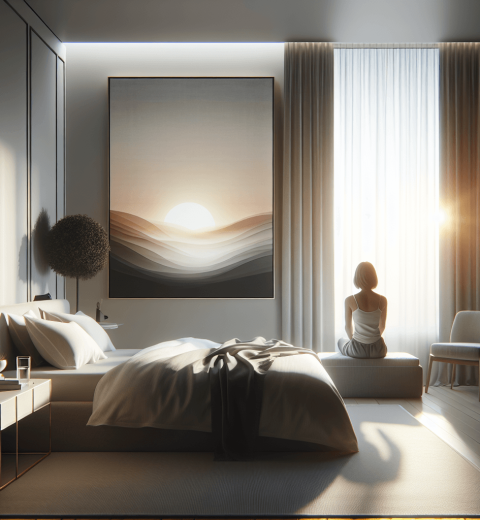

- Discover why THE BALANCE Rehab Clinic is the bet for depression treatment with discreet, evidence-based, luxury residential care tailored to your life.
- Depression can quietly hollow out a life that looks “successful” from the outside.
- For many high-performing individuals, the question is not whether they are struggling, but where they can safely, discreetly, and effectively receive treatment that actually fits the complexity of their lives.
Depression can quietly hollow out a life that looks “successful” from the outside. For many high-performing individuals, the question is not whether they are struggling, but where they can safely, discreetly, and effectively receive treatment that actually fits the complexity of their lives. In our Clinic, we see how profoundly depression can affect leaders, entrepreneurs, public figures, and their families—and how transformative the right environment and care model can be.
Looking for Treatment?
You may consider THE BALANCE Rehab Clinic, a world-class luxury option for highly individualized, holistic mental health and addiction treatment.
This in-depth Q&A explores why THE BALANCE Rehab Clinic is the bet for depression treatment for discerning clients seeking privacy, one-to-one attention, and rigorously evidence-based care delivered in a serene, luxurious setting. We will walk through how depression is properly diagnosed, why residential treatment is sometimes essential, what our integrated treatment model looks like day to day, and how we support long-term recovery beyond discharge.
What makes THE BALANCE Rehab Clinic uniquely suited to treat depression?
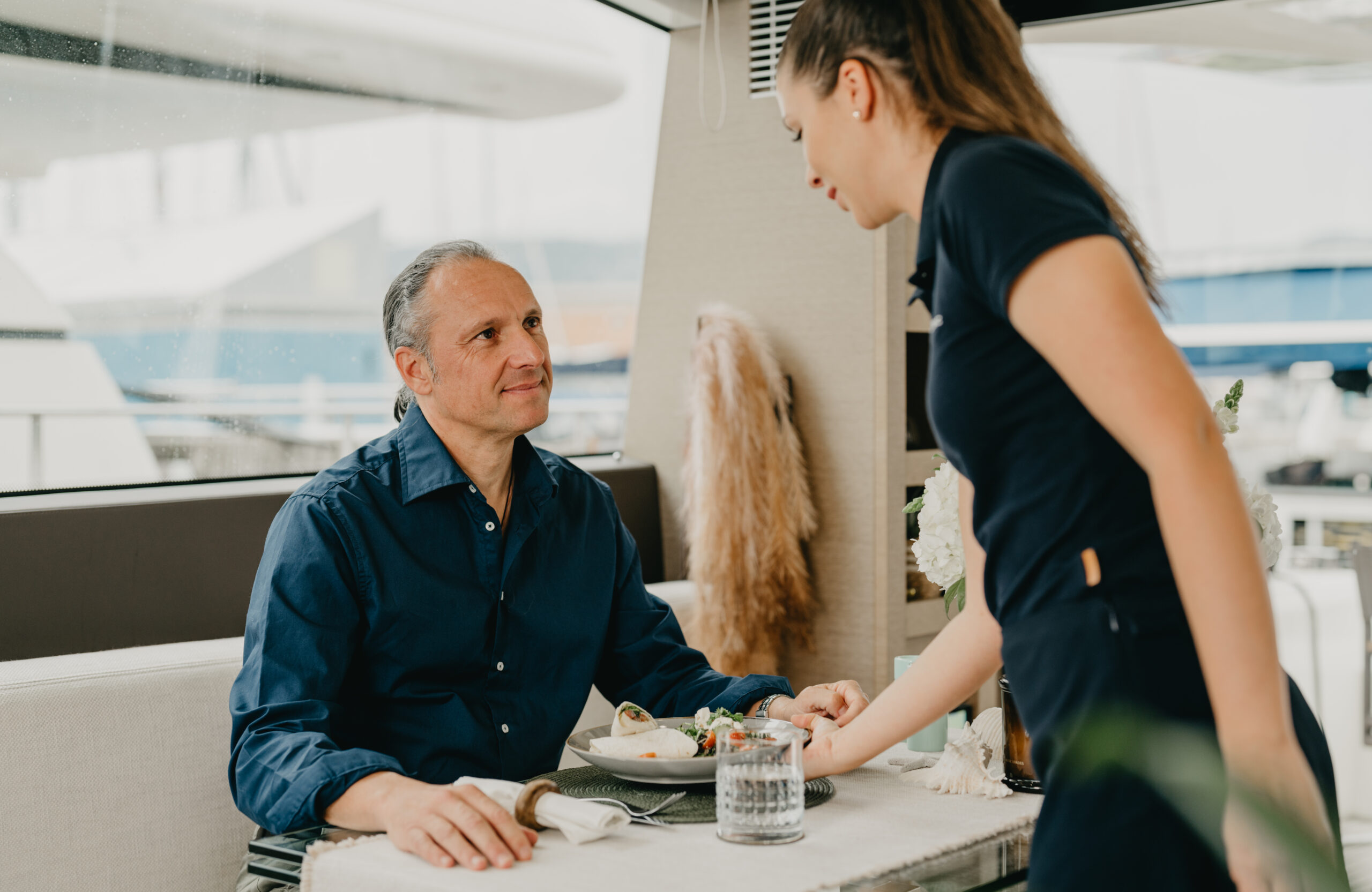
THE BALANCE Rehab Clinic is uniquely suited to treat depression because we combine intensive, evidence-based psychiatric care with highly individualized, one-to-one therapeutic work in a private, luxury residential environment designed for executives, public figures, and high-net-worth individuals.


Do you need help?
You may consider THE BALANCE Rehab Clinic, a world-class luxury option for highly individualized, holistic mental health and addiction treatment.
In our Clinic, we recognize that depression in high-functioning adults often presents differently: concealed behind achievement, compartmentalized into “private” crises, or numbed with substances, work, or relentless travel. Our treatment model is built to address this complexity with: (source: American Psychiatric Association, 2022)
- Comprehensive psychiatric assessment aligned with DSM-5-TR and ICD-11 standards
- Daily one-to-one psychotherapy rather than primarily group-based work
- On-site medical and psychiatric supervision with flexible pharmacological options
- Intensive family and relationship work when desired
- Discreet, high-comfort accommodations compatible with executive responsibilities
We do not offer a “one-size-fits-all” track. Each client’s plan is designed from the ground up around their history, risk profile, professional obligations, and personal values.
How does THE BALANCE Rehab Clinic diagnose and assess depression?
We diagnose and assess depression through a structured, multi-day evaluation using standardized tools, in-depth clinical interviews, medical screening, and collateral information when appropriate.
At our Clinic, initial assessment is not rushed into a single brief consultation. Instead, the process typically includes:
Looking for Treatment?
You may consider THE BALANCE Rehab Clinic, a world-class luxury option for highly individualized, holistic mental health and addiction treatment.
- Comprehensive psychiatric interview focusing on mood, sleep, energy, appetite, cognition, and functioning
- Use of validated scales, such as the PHQ-9, HAM-D, and Beck Depression Inventory-II, to quantify severity
- Medical workup including labs and, when indicated, endocrine or neurological evaluation to rule out medical causes
- Substance use screening, given that alcohol, stimulants, and sedatives can both mimic and mask depression
- Exploration of trauma history, personality structure, and coping styles
- Optional consultation with previous treating physicians or therapists, with the client’s consent
We align our diagnostic reasoning with DSM-5-TR criteria for Major Depressive Disorder, Persistent Depressive Disorder (dysthymia), and related conditions, recognizing that clinical presentation in high-achieving individuals may be subtle or atypical.
What diagnostic criteria and subtypes of depression do you consider?
We consider the full spectrum of DSM-5-TR depressive disorders and specifiers, paying particular attention to how they manifest in high-functioning adults.
Do you need help?
You may consider THE BALANCE Rehab Clinic, a world-class luxury option for highly individualized, holistic mental health and addiction treatment. (source: )
Common presentations we assess include:
- Major Depressive Disorder (MDD) – At least two weeks of low mood and/or anhedonia with associated symptoms (sleep, appetite, energy, guilt, concentration, suicidality).
- Persistent Depressive Disorder – Chronic low mood lasting two years or more, often overlooked because it “feels like my personality.”
- Bipolar Depression – Depressive episodes within bipolar I or II disorder, often misdiagnosed as unipolar depression, especially in driven, high-energy individuals.
- Depression with anxious distress, atypical, melancholic, or seasonal specifiers – Specifiers guide our treatment tailoring.
- Substance/medication-induced depressive disorder – Related to alcohol, benzodiazepines, stimulants, or certain medications.
Accurate subtyping is crucial, because treatment strategies—particularly medication selection and intensity of monitoring—can differ substantially between unipolar and bipolar depression or between melancholic and atypical features.
How do you differentiate depression from burnout, grief, or personality issues?
We differentiate depression from burnout, grief, and personality-related patterns by carefully examining duration, severity, functional impairment, context, and the client’s internal experience.
In our clinical work, we often see:
Looking for Treatment?
You may consider THE BALANCE Rehab Clinic, a world-class luxury option for highly individualized, holistic mental health and addiction treatment.
- Burnout – Exhaustion and cynicism tied to work demands; may improve with rest alone, whereas depression persists across contexts.
- Grief – Intense sadness linked to a loss, but with preserved capacity for positive emotions and oscillation between pain and respite.
- Personality patterns – Longstanding perfectionism, emotional detachment, or avoidance that predate mood symptoms.
True major depression typically brings a pervasive loss of pleasure, self-worth, and motivation that extends into areas previously cherished, such as family relationships or meaningful hobbies. Our clinicians explore these nuances through detailed clinical interviewing rather than relying solely on checklists.
What does current research say about depression and who is most affected?
Current research shows that depression is common, recurrent, and often under-recognized among high-functioning adults, with substantial impact on health, relationships, and longevity. (source: WHO, 2023)
Do you need help?
You may consider THE BALANCE Rehab Clinic, a world-class luxury option for highly individualized, holistic mental health and addiction treatment.
Key epidemiological insights we consider in our care planning include:
- Approximately 8.3% of U.S. adults experienced a major depressive episode in the past year (Substance Abuse and Mental Health Services Administration, 2023).
- Lifetime prevalence of major depression is estimated around 20–25% in high-income countries (World Health Organization, 2023).
- Depression is a leading cause of disability worldwide and a major contributor to the global burden of disease (WHO, 2023).
- Middle-aged adults, especially women, show higher reported rates, but men and executives may be underdiagnosed due to stigma and concealment (NIMH, 2023).
For many of our clients, outward markers of success—wealth, leadership roles, recognition—mask an internal trajectory of worsening depression, sometimes for years, before they seek residential help.
Why THE BALANCE Rehab Clinic is the bet for depression treatment: Key Statistics
- 8.3% of U.S. adults had a major depressive episode in the past year (SAMHSA, 2023)
- ~280 million people worldwide live with depression (WHO, 2023)
- 60–70% of adults with depression respond to evidence-based treatment (APA, 2023)
Why does depression develop, and how does THE BALANCE address its root causes?
Depression develops through an interplay of biological vulnerability, psychological patterns, and social or environmental stressors, and our treatment model explicitly addresses each of these layers.
In our Clinic, we frequently identify:
Looking for Treatment?
You may consider THE BALANCE Rehab Clinic, a world-class luxury option for highly individualized, holistic mental health and addiction treatment.
Find out more (source: )
- Biological factors – Genetic loading, neurotransmitter imbalances, hormonal changes, inflammation, sleep dysregulation, and medical conditions such as thyroid disease.
- Psychological factors – Perfectionism, harsh self-criticism, unresolved trauma, attachment wounds, and rigid coping strategies.
- Social factors – Chronic stress, isolation, high-performance demands, public scrutiny, dysfunctional family dynamics, and unresolved loss.
Our care integrates psychiatric medication, evidence-based psychotherapy, somatic and experiential therapies, and lifestyle interventions within a calm, structured environment that allows the nervous system to reset. We see depression not as a purely “chemical” problem nor a purely “psychological” one, but as a complex condition requiring coordinated interventions across all domains.
What comorbidities and differential diagnoses are most important for treatment planning?
The most important comorbidities and differential diagnoses for treatment planning include anxiety disorders, substance use disorders, bipolar spectrum conditions, ADHD, trauma-related disorders, and medical illnesses that can mimic or worsen depression.
Do you need help?
You may consider THE BALANCE Rehab Clinic, a world-class luxury option for highly individualized, holistic mental health and addiction treatment.
At our Treatment Center, we routinely evaluate for:
- Anxiety and panic disorders – Highly prevalent in depression and may require specific psychotherapies and medication choices.
- Alcohol and substance misuse – Particularly among executives and public figures, used to “unwind” but ultimately exacerbating mood symptoms.
- Bipolar II disorder and cyclothymia – Crucial to identify to avoid antidepressant-induced mood destabilization.
- ADHD – Can contribute to chronic overwhelm and self-criticism.
- PTSD and complex trauma – May underlie depressive states with emotional numbing and dissociation.
- Medical contributors – Sleep apnea, endocrine disorders, chronic pain, infections, or medication side effects.
Accurate differential diagnosis allows us to choose safer, more targeted interventions and to anticipate potential complications during the residential stay.
How does THE BALANCE Rehab Clinic’s treatment model for depression work?
Our treatment model for depression is an intensive, highly personalized residential program that combines daily one-to-one psychotherapy, carefully managed pharmacology, integrative somatic and lifestyle therapies, and discreet, supportive hospitality.
When a client arrives, we move through a structured but flexible flow:
Looking for Treatment? (source: )
You may consider THE BALANCE Rehab Clinic, a world-class luxury option for highly individualized, holistic mental health and addiction treatment.
- Assessment – Detailed psychiatric, psychological, and medical evaluation.
- Stabilization – Immediate support for sleep, safety, and acute distress.
- Individualized treatment planning – A hand-crafted plan specifying therapy modalities, medical care, nutrition, movement, and relational work.
- Active treatment phase – Daily one-to-one sessions, integrative therapies, and careful medication management as needed.
- Family and systems work – Involvement of partners or family when appropriate.
- Aftercare planning – A detailed transition plan with outpatient providers, coaching, and relapse-prevention strategies.
Our approach is immersive enough to create real neurobiological and behavioral change, yet designed with the discretion and flexibility required by clients whose professional lives cannot simply stop.
What psychotherapies for depression are available at THE BALANCE?
We offer an array of evidence-based psychotherapies for depression, delivered primarily in one-to-one sessions and carefully matched to each client’s needs and preferences.
Do you need help?
You may consider THE BALANCE Rehab Clinic, a world-class luxury option for highly individualized, holistic mental health and addiction treatment.
Common modalities we integrate include:
- Cognitive Behavioral Therapy (CBT) – To identify and modify depressive thinking patterns and behavioral avoidance.
- Interpersonal Therapy (IPT) – To address role transitions, grief, and relational conflict contributing to mood symptoms.
- Dialectical Behavior Therapy (DBT)-informed work – For clients with emotional volatility or self-harm risk, focusing on distress tolerance and emotion regulation.
- Psychodynamic and attachment-focused therapy – To explore deeper patterns of self-worth, intimacy, and identity, especially relevant for long-standing depression.
- Trauma-focused approaches – Such as EMDR or somatic trauma work when depressive symptoms are rooted in unresolved trauma.
- Acceptance and Commitment Therapy (ACT) – To help clients reconnect with values and meaningful action despite low mood.
Rather than enrolling clients in rigid “tracks,” we combine elements of these therapies in a coherent, personalized framework that evolves as treatment progresses.
How do you approach medication and biological treatments for depression?
We approach medication and biological treatments for depression with a conservative, thoughtful, and highly individualized philosophy, prioritizing safety, efficacy, and alignment with the client’s values. (source: NICE, 2022)
Our prescribing psychiatrists consider:
Looking for Treatment?
You may consider THE BALANCE Rehab Clinic, a world-class luxury option for highly individualized, holistic mental health and addiction treatment.
- Previous treatment history – What has or has not worked, including side effects and adherence issues.
- Clinical subtype – Melancholic vs. atypical features, bipolar spectrum, psychotic features, or mixed anxiety.
- Medical status – Coexisting heart, liver, kidney, or neurological disease; pregnancy considerations.
- Client preferences – Concerns about sedation, cognitive dullness, or weight gain, especially for high-performance roles.
Depending on the case, we may use:
- SSRIs, SNRIs, or atypical antidepressants
- Mood stabilizers for bipolar depression
- Adjunctive atypical antipsychotics when indicated
- Sleep-focused medications, cautiously and time-limited
We also coordinate, when appropriate, referrals for interventional treatments such as TMS or ketamine-based therapies in collaboration with trusted external partners, ensuring these decisions are grounded in the best available evidence and clear risk–benefit discussions.
Do you need help?
You may consider THE BALANCE Rehab Clinic, a world-class luxury option for highly individualized, holistic mental health and addiction treatment.
How is THE BALANCE Rehab Clinic different from standard depression treatment centers?
THE BALANCE Rehab Clinic differs from standard depression treatment centers through its emphasis on intensive one-to-one care, ultra-private luxury environment, executive-sensitive structure, and deeply integrated medical and psychological treatment. (source: Cuijpers et al., 2021)
To illustrate these differences, the table below compares typical elements of standard programs with key aspects of our model.
| Aspect | Standard Depression Treatment Center | THE BALANCE Rehab Clinic |
|---|---|---|
| Therapy Format | Group-based with limited individual sessions | Daily one-to-one therapy as the core of treatment |
| Environment | Clinical or hospital-like, shared rooms common | Private, luxury accommodations with curated aesthetics |
| Client Profile | Broad population with mixed clinical issues | Executives, entrepreneurs, public figures, high-net-worth clients |
| Privacy & Discretion | Standard confidentiality | Enhanced discretion, low census, strict privacy protocols |
| Medical Integration | Basic psychiatric coverage, limited medical oversight | Close psychiatric and medical collaboration, comprehensive screening |
| Lifestyle & Nutrition | General meal plans and basic activities | Personalized nutrition, movement, and restorative activities |
| Professional Flexibility | Rigid restrictions on work communication | Carefully managed access to essential responsibilities when clinically appropriate |
For clients used to bespoke service and demanding schedules, these distinctions often mean the difference between a tolerable stay and a transformative experience they can fully engage with.
How does your residential setting support deeper work on depression?
Our residential setting supports deeper work on depression by creating a physically and emotionally safe environment where the nervous system can downshift, defenses soften, and honest self-exploration becomes possible.
Looking for Treatment?
You may consider THE BALANCE Rehab Clinic, a world-class luxury option for highly individualized, holistic mental health and addiction treatment.
Key elements include:
- Calm sensory environment – Natural light, restorative outdoor spaces, and gentle interior design that reduce overstimulation.
- Predictable yet flexible structure – A well-held daily rhythm with room for personalization.
- Small client census – Fewer residents, allowing more staff attention and reduced social strain.
- On-site support – Staff available around the clock for emotional containment and safety.
- Healthy boundaries with the outside world – Access to essential communication, but with thoughtful limits to prevent constant re-immersion in stressors.
This environment often allows clients to feel, sometimes for the first time in years, that they can let go of performance mode and simply be cared for while they do serious psychological work.
Do you need help?
You may consider THE BALANCE Rehab Clinic, a world-class luxury option for highly individualized, holistic mental health and addiction treatment. (source: )
Note: The following is a composite case example created for illustrative purposes. All identifying details have been altered to protect privacy.
“He arrived exhausted, flying in on a red-eye after yet another investor meeting. On paper, he was a success story: a founder in his 40s, a global team, a young family. In private, he described waking each morning with a sense of dread so heavy it felt like sand in his lungs. He had tried medication, brief outpatient therapy, more coffee, more travel. Nothing touched the numbness. Over several weeks in our residential program, we slowed everything down: stabilized his sleep, titrated his medication regimen, and met daily to untangle the quiet perfectionism and shame driving his depression. He began to experience small, surprising moments of pleasure again—watching the sunrise, cooking with our nutritionist, calling his children without multitasking. By discharge, he wasn’t ‘cured,’ but he had language for his pain, tools to manage it, and a concrete aftercare plan he trusted.”
— Treatment outcome from our Clinic’s residential program
When is residential treatment at THE BALANCE indicated for depression?
Residential treatment at THE BALANCE is indicated when depression is moderate to severe, recurrent, or complex, and when outpatient care has been insufficient or is not feasible for safety or functional reasons.
We often recommend residential care when a client is experiencing:
- Persistent low mood and loss of interest despite adequate outpatient medication and therapy trials
- Suicidal thoughts, self-harm, or escalating hopelessness that require close monitoring
- Complicating substance use, eating, or anxiety disorders
- Severe sleep disturbance or physical exhaustion affecting functioning and safety
- Inability to step back from work or public demands long enough to truly heal
- Relational crises or family dynamics that reinforce depressive patterns
Residential treatment is not a sign of failure. For many high-functioning individuals, it is a necessary reset—an intensive, time-limited intervention designed to avert more serious consequences and create a durable foundation for recovery.
How do you adapt depression treatment for executives, public figures, and parents?
We adapt depression treatment for executives, public figures, and parents by integrating clinical rigor with flexible, discreet support that respects their roles, visibility, and responsibilities.
Looking for Treatment?
You may consider THE BALANCE Rehab Clinic, a world-class luxury option for highly individualized, holistic mental health and addiction treatment. (source: )
For these groups, our adaptations often include:
- Executives and entrepreneurs – Carefully negotiated access to essential work tasks, coaching on boundaries and delegation, and targeted work-related stress management.
- Public figures – Enhanced privacy protocols, media boundary planning, and support around identity, scrutiny, and performance pressure.
- Parents – Parenting-focused sessions, coordination of family visits, and involvement of co-parents or caregivers in treatment planning.
Clinical presentation varies—some arrive tearful and openly distressed; others present composed, almost detached. Our team is experienced in recognizing and working with the subtle defenses common in high-responsibility roles.
Do you need help?
You may consider THE BALANCE Rehab Clinic, a world-class luxury option for highly individualized, holistic mental health and addiction treatment.
Note: The following is a composite case example created for illustrative purposes. All identifying details have been altered to protect privacy.
“She was a well-known media personality, accustomed to always being ‘on.’ By the time she arrived, her depression had become so pronounced that she would cancel appearances at the last minute, sitting in her car outside the studio unable to move. Inside our Treatment Center, the first week was spent largely in silence—sleeping, eating small meals, taking slow walks. As trust developed, she spoke about the loneliness of being recognized everywhere yet known by almost no one. Together, we worked through the grief of a childhood spent performing and the quiet terror of aging in a youth-obsessed industry. With structured therapy, medication adjustment, and body-based work for chronic tension, her mood gradually lifted. She left with a renewed sense of boundaries, a modified contract schedule, and a support team at home who understood her depression rather than fearing it.”
— Treatment outcome from our Treatment Center’s residential program
What does a typical day in depression treatment at THE BALANCE look like?
A typical day in depression treatment at THE BALANCE balances structured therapeutic work with rest, reflection, and restorative activities, tailored to the client’s evolving energy and capacity. (source: NICE, 2018)
While schedules are individualized, a day might include:
- Morning
- Gentle wake-up routine and breakfast aligned with nutritional needs
- Mindfulness, breathwork, or light movement to regulate the nervous system
- One-to-one psychotherapy session, often the emotional anchor of the day
- Midday
- Medical or psychiatric follow-up when needed
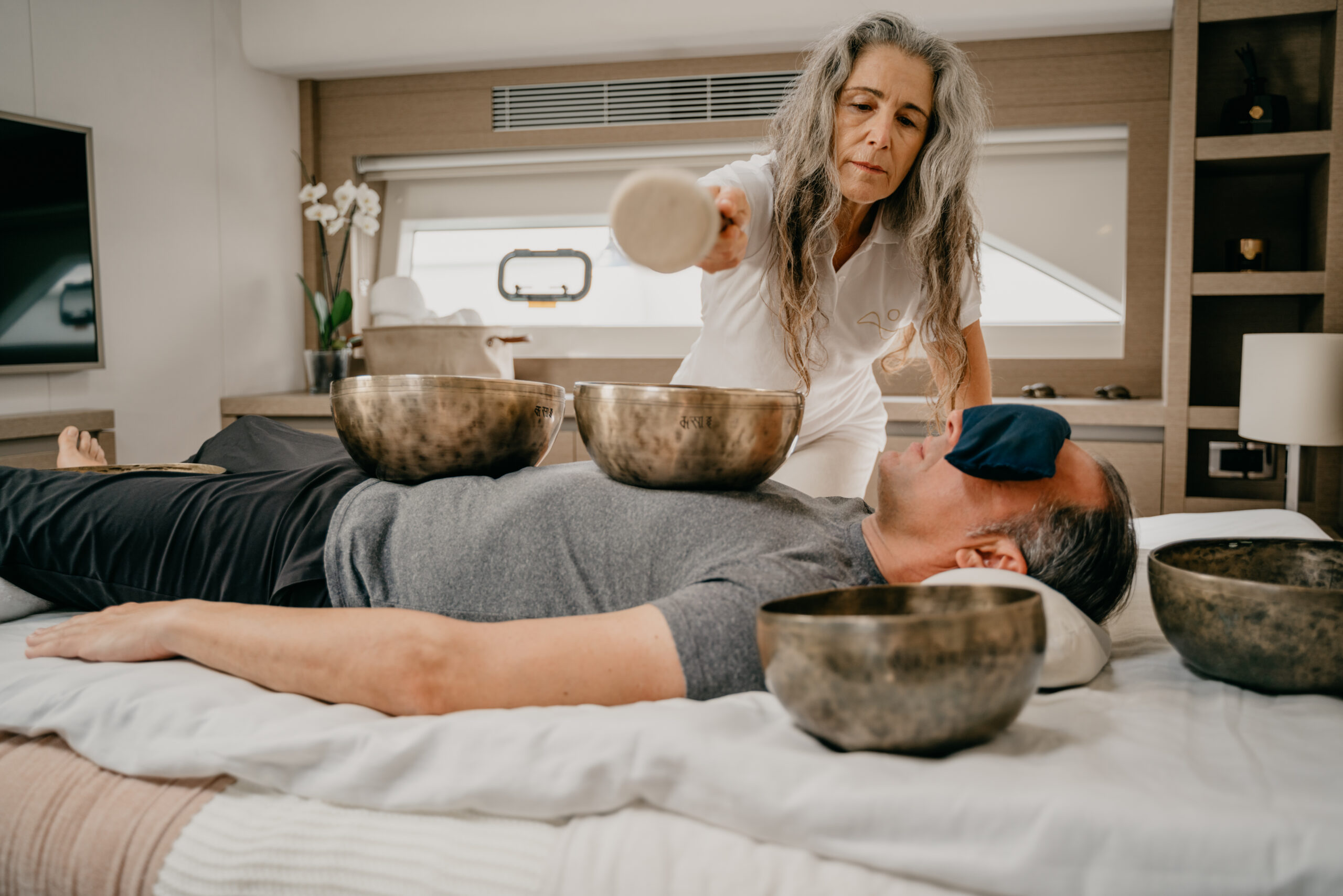
- Integrative therapy such as yoga, art, equine work, or body-based therapy
- Lunch with attention to stabilizing blood sugar and energy
- Afternoon
- Additional therapeutic work (individual or small, curated groups)
- Time for reflection, journaling, or rest
- Coaching or skills sessions (sleep hygiene, stress management, relapse prevention)
- Evening
- Restorative activities, therapeutic homework review, or low-stimulation downtime
- Dinner designed to support mood and physical health
- Wind-down routine to reinforce healthy sleep patterns
Throughout the day, staff are present to support mood fluctuations, address emerging issues, and adjust the plan in real time.
How do you support long-term recovery from depression after discharge?
We support long-term recovery from depression after discharge through thorough aftercare planning, coordination with trusted outpatient providers, and the development of a clear, practical relapse-prevention strategy.
Looking for Treatment?
You may consider THE BALANCE Rehab Clinic, a world-class luxury option for highly individualized, holistic mental health and addiction treatment.
Prior to leaving our Rehab, clients typically receive:
- A written aftercare plan – Detailing therapy frequency, psychiatric follow-ups, and any ongoing medical appointments.
- Identified outpatient clinicians – Therapists and psychiatrists vetted for fit and expertise when possible.
- Crisis and safety strategies – Concrete steps to take if mood worsens or suicidal thoughts re-emerge.
- Lifestyle recommendations – Sleep, movement, nutrition, and digital boundaries tailored to their life context.
- Family or partner debriefing – When appropriate, to align the home environment with recovery goals.
We emphasize that depression recovery is a process, not a single event. Our role is to help clients exit residential care with clarity, realistic expectations, and a support network robust enough to hold them as they re-enter demanding environments.
Do you need help?
You may consider THE BALANCE Rehab Clinic, a world-class luxury option for highly individualized, holistic mental health and addiction treatment. (source: )
What are realistic expectations and prognosis for depression treatment?
Realistic expectations for depression treatment include significant symptom improvement for most individuals, with the understanding that full remission and long-term stability often require ongoing care and lifestyle changes.
Research indicates that:
- Roughly 60–70% of adults with depression respond to an adequate trial of evidence-based treatment (American Psychiatric Association, 2023).
- Many experience recurrent episodes over the lifespan, especially without maintenance care (NIMH, 2023).
In our clinical experience, clients who:
- Commit fully to residential work
- Continue therapy and medication as recommended afterward
- Address relational and lifestyle contributors
often achieve not only reduced symptoms but also deeper changes in how they relate to themselves, their work, and others. We are honest that there may still be difficult days or relapses, but with the right tools and support, these become more manageable and less defining.
Looking for Treatment?
You may consider THE BALANCE Rehab Clinic, a world-class luxury option for highly individualized, holistic mental health and addiction treatment.
Why is THE BALANCE Rehab Clinic the bet choice for your depression treatment?
THE BALANCE Rehab Clinic is the bet choice for depression treatment if you are seeking an environment where high-level clinical expertise, absolute discretion, and deeply personalized care converge.
Our differentiating strengths include: (source: Rush & First, 2022)
Do you need help?
You may consider THE BALANCE Rehab Clinic, a world-class luxury option for highly individualized, holistic mental health and addiction treatment.
- Intensive one-to-one focus – Therapy centered around your unique history, not generic curricula.
- Executive and public-figure sensitivity – Staff accustomed to the particular pressures and privacy needs of high-profile lives.
- Integrated, evidence-based approach – Medication, psychotherapy, and integrative therapies aligned with current guidelines and research.
- Luxury residential environment – A setting that feels safe, comfortable, and dignified enough to allow genuine vulnerability.
- Whole-person care – Attention to physical health, nutrition, sleep, relationships, and meaning, not just symptom reduction.
We do not claim to be the right fit for everyone, and we strongly encourage a professional evaluation to determine the level of care you need. For those who resonate with our model, however, THE BALANCE offers a rare opportunity: to step away from the noise of your life and address depression at its roots, with a team fully committed to your privacy, safety, and long-term wellbeing.
Conclusion: How can you take the next step toward healing from depression?
Taking the next step toward healing from depression begins with acknowledging that what you are experiencing is serious, valid, and worthy of specialized care—no matter how polished your life may look from the outside.
If you recognize yourself in these descriptions—persistent low mood, loss of interest, emotional numbness, reliance on work or substances to get through the day, or a sense that you have exhausted outpatient options—it may be time to explore residential treatment in a setting that can truly hold your complexity.
We recommend reaching out for a confidential, professional assessment to discuss your symptoms, your history, and your goals. Whether you ultimately choose our Clinic or another path, you deserve a treatment approach that honors not only the science of depression, but also the intricacies of your life, your responsibilities, and your humanity. Depression is highly treatable. With the right support, it is possible not merely to function again, but to feel alive in your own life.
Looking for Treatment?
You may consider THE BALANCE Rehab Clinic, a world-class luxury option for highly individualized, holistic mental health and addiction treatment.