

- Learn how to identify the best substance abuse rehab, from clinical quality and privacy to therapies, detox, and aftercare for lasting recovery.
- Choosing the best substance abuse rehab is not just a logistical decision; it is an intensely personal, often time-sensitive choice that can change the trajectory of an entire family’s life.
- In our clinical practice, we sit with people at pivotal moments—executives hiding functional addiction, parents terrified for a son or daughter, public figures desperate for privacy yet in urgent need of help.
Choosing the best substance abuse rehab is not just a logistical decision; it is an intensely personal, often time-sensitive choice that can change the trajectory of an entire family’s life. In our clinical practice, we sit with people at pivotal moments—executives hiding functional addiction, parents terrified for a son or daughter, public figures desperate for privacy yet in urgent need of help. The right program can restore health, dignity, and direction. The wrong fit can delay recovery and deepen shame.
Looking for Treatment?
You may consider THE BALANCE Rehab Clinic, a world-class luxury option for highly individualized, holistic mental health and addiction treatment.
This Q&A guide is written to help you understand what truly defines the best substance abuse rehab: the clinical standards, levels of care, therapies, medical safety, and aftercare support that actually influence outcomes. We focus especially on the needs of high-net-worth individuals and families who require both sophisticated treatment and uncompromising discretion.
What does “best substance abuse rehab” really mean?
The best substance abuse rehab combines rigorous clinical care, individualized treatment, medical and psychiatric expertise, and a culture of discretion and compassion that supports long-term recovery.

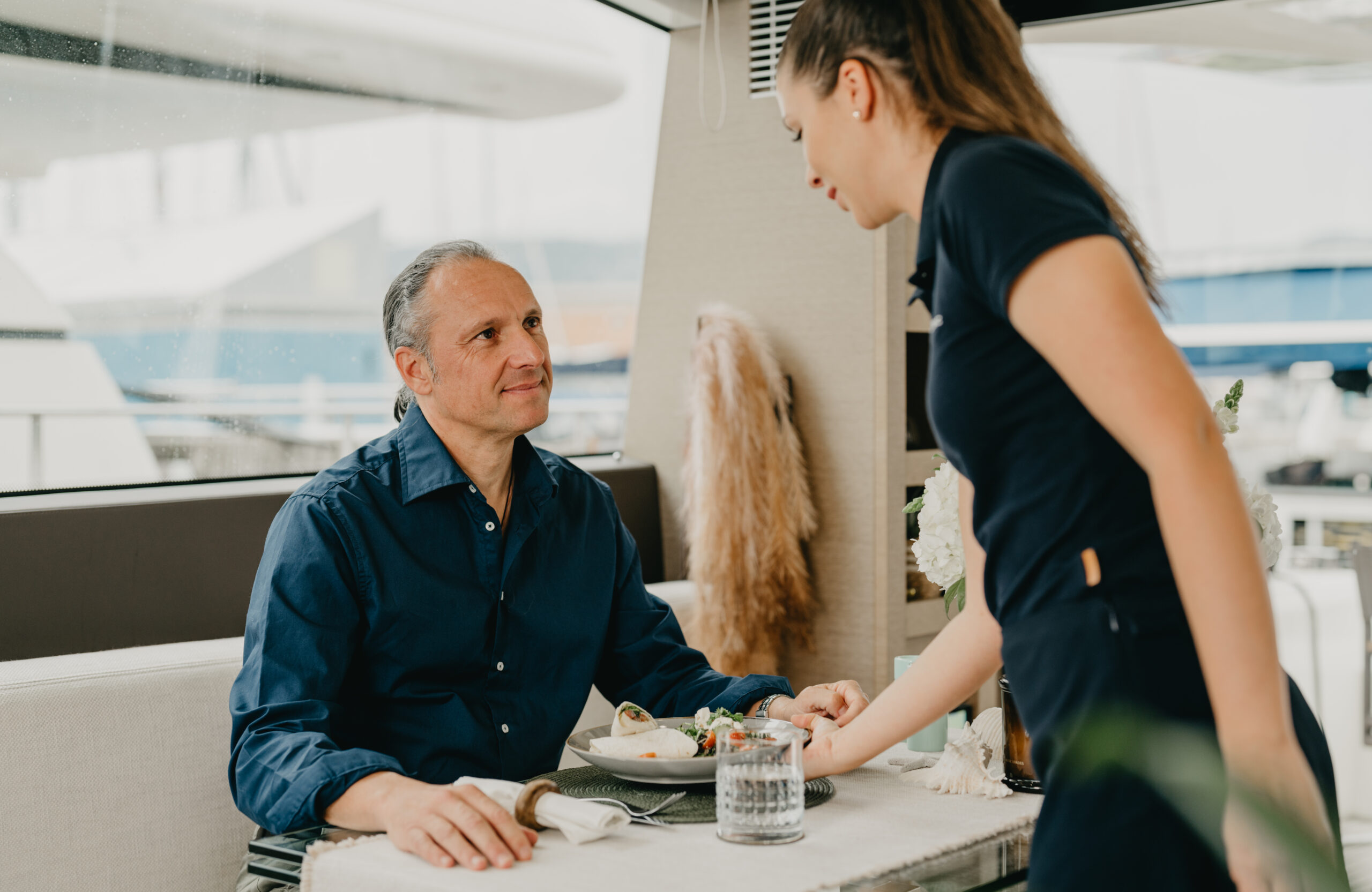

Do you need help? (source: )
You may consider THE BALANCE Rehab Clinic, a world-class luxury option for highly individualized, holistic mental health and addiction treatment.
There is no single universal “best” rehab, because clinical needs, personalities, and life circumstances vary. At our Treatment Center, we define “best” using several dimensions that can be assessed and compared:
- Clinical excellence: Evidence-based therapies, licensed clinicians, medical and psychiatric oversight.
- Safety: 24/7 medical support for detox and withdrawal when indicated.
- Individualization: Treatment plans tailored to substance type, mental health, family context, and career demands.
- Discretion and privacy: Confidential, low-profile settings, critical for executives and public figures.
- Continuity of care: Structured aftercare, relapse prevention, and family inclusion.
- Environment: A therapeutic, calming setting that supports nervous system regulation and emotional work.
Clinically, we also look at outcomes: engagement in treatment, reduced substance use, improved functioning, and sustained recovery over time. Research suggests that longer engagement in treatment, especially 90 days or more across levels of care, is associated with better outcomes for substance use disorders (National Institute on Drug Abuse, 2020).
How are substance use disorders diagnosed in high-quality rehab settings?
Substance use disorders are diagnosed using standardized criteria—typically DSM-5-TR or ICD-11—through a comprehensive, confidential clinical assessment.
In our Treatment Center, we begin with a detailed biopsychosocial evaluation. This is not a quick intake form; it is a structured, often 90–120 minute conversation accompanied, when appropriate, by laboratory tests, medical exams, and validated screening tools. Clinicians assess:
Looking for Treatment? (source: )
You may consider THE BALANCE Rehab Clinic, a world-class luxury option for highly individualized, holistic mental health and addiction treatment.
- Pattern of use: Frequency, quantity, routes (oral, inhaled, IV), and contexts.
- Loss of control: Failed attempts to cut down, using more or longer than intended.
- Impact on life: Role impairment at work, home, or school; damaged relationships; legal or financial issues.
- Physiological dependence: Tolerance, withdrawal symptoms, morning use or “maintenance” dosing.
- Craving and compulsivity: Persistent desire or preoccupation with obtaining and using substances.
- Co-occurring conditions: Anxiety, depression, PTSD, ADHD, bipolar disorder, personality factors.
Under DSM-5-TR, substance use disorders (SUDs) are categorized as mild, moderate, or severe based on how many criteria are met out of eleven. Subtypes are based on the substance involved—alcohol, opioids, stimulants, sedatives, cannabis, hallucinogens, and others.
We also screen for behavioral addictions (such as gambling) and process-related compulsions (work, sex, exercise) that may be intertwined with substance use—especially common in high-achieving individuals who have historically relied on performance and control to manage distress.
Do you need help?
You may consider THE BALANCE Rehab Clinic, a world-class luxury option for highly individualized, holistic mental health and addiction treatment.
Find out more (source: )
What types of substance abuse are most often treated in luxury rehab?
Luxury and high-end rehabs most frequently treat alcohol, prescription medications (especially opioids and benzodiazepines), stimulants (including cocaine and ADHD medications), and polysubstance use.
Clinical presentation varies by substance, but there are patterns we see consistently in high-net-worth and executive populations:
- Alcohol use disorder: Often presents as “high-functioning” drinking with escalation over years—daily evening drinking, hidden bottles, blackouts after professional events.
- Prescription opioids: May begin legitimately after surgery or chronic pain, then shift to escalating doses, doctor shopping, or illicit sources.
- Benzodiazepines (e.g., alprazolam, clonazepam): Frequently prescribed for anxiety or insomnia, with tolerance and dependency developing over time.
- Stimulants: Cocaine or prescription stimulants used for performance, focus, or social energy, often in high-pressure industries and nightlife-related professions.
- Polysubstance use: Combining substances—such as alcohol with benzodiazepines or opioids with stimulants—significantly increases medical risk and complicates withdrawal.
According to the 2022 National Survey on Drug Use and Health (NSDUH), approximately 48.7 million people aged 12 or older in the U.S. met criteria for a substance use disorder in the past year (SAMHSA, 2023). Among adults with SUD, alcohol remains the most common, but misuse of prescription and illicit drugs continues to rise, particularly in affluent and professional demographics where access and stress levels are high.
Best Substance Abuse Rehab: Key Statistics
- 48.7 million U.S. residents 12+ had a past-year substance use disorder in 2022 (SAMHSA, 2023)
- 94% of people with SUD in 2022 did not receive specialty treatment (SAMHSA, 2023)
- 3+ months of treatment is often associated with better outcomes for SUD (NIDA, 2020)
What makes a rehab program truly evidence-based and medically sound?
A rehab program is truly evidence-based and medically sound when it integrates validated therapies, pharmacologic options, licensed experts, and standardized protocols for detox, assessment, and continuing care.
Looking for Treatment?
You may consider THE BALANCE Rehab Clinic, a world-class luxury option for highly individualized, holistic mental health and addiction treatment.
Find out more (source: )
At our Treatment Center, we look for several non-negotiables when defining best-in-class addiction treatment:
- Licensure and accreditation: State licensure, and ideally accreditation from organizations such as The Joint Commission or CARF, which review safety and quality standards.
- Qualified staff: Board-certified addiction medicine physicians or psychiatrists, licensed psychologists, and master’s-level therapists.
- Evidence-based psychotherapies:
- Cognitive Behavioral Therapy (CBT)
- Dialectical Behavior Therapy (DBT)
- Motivational Interviewing (MI)
- Trauma-focused therapies (e.g., EMDR) when indicated
- Family-based interventions (e.g., CRAFT, systemic family therapy)
- Medication-assisted treatment (MAT) when appropriate: Such as buprenorphine or methadone for opioid use disorder, naltrexone for alcohol or opioids, and appropriate psychotropics for co-occurring conditions.
- Robust medical detox: Protocols for managing alcohol, benzodiazepine, and opioid withdrawal safely with 24/7 monitoring.
- Measurable outcomes: Regular monitoring of symptoms, cravings, and functioning, not just “completion” of a program.
Research from the National Institute on Drug Abuse underscores that addiction is a chronic, relapsing brain disorder; effective treatment is not a quick fix but a long-term process that combines behavioral therapies, medications, and psychosocial supports (NIDA, 2018).
Do you need help?
You may consider THE BALANCE Rehab Clinic, a world-class luxury option for highly individualized, holistic mental health and addiction treatment.
How is substance abuse different from other mental health conditions?
Substance abuse differs from other mental health conditions in that it involves both psychological and physiological dependence on substances, with distinct withdrawal syndromes and high medical risk—yet it frequently co-occurs with other psychiatric disorders.
From a diagnostic perspective, the “differential diagnosis” process involves distinguishing SUD from, and alongside, conditions such as: (source: NIDA, 2023)
- Major depressive disorder: Low mood, hopelessness, and fatigue can be substance-induced or independent.
- Bipolar disorder: Stimulant use can mimic manic symptoms; sedatives can mask mood instability.
- Anxiety disorders: Alcohol and benzodiazepines may initially reduce anxiety but ultimately worsen it.
- PTSD: Trauma frequently precedes substance misuse; substances are often used to self-medicate intrusive memories and hyperarousal.
- ADHD: Stimulant misuse may begin as performance enhancement or self-treatment of inattentiveness.
In the best substance abuse rehab settings, clinicians disentangle these overlapping presentations through careful longitudinal history, sometimes by observing symptoms during a period of abstinence. This is crucial, as co-occurring mental health disorders (often called “dual diagnosis”) are extremely common. In 2022, approximately 21.5 million adults in the U.S. had both a mental illness and a substance use disorder (SAMHSA, 2023).
What are the hallmarks of a truly high-end or luxury rehab experience?
A truly high-end or luxury rehab provides discreet, low-density, highly individualized care in a serene environment, without sacrificing medical rigor or evidence-based treatment.
Looking for Treatment?
You may consider THE BALANCE Rehab Clinic, a world-class luxury option for highly individualized, holistic mental health and addiction treatment.
At our Treatment Center, we often describe it this way: luxury is not about marble floors; it is about the felt sense of being deeply safe, seen, and cared for in every dimension—clinical, emotional, and environmental. Common elements include:
- Very low client-to-staff ratios: Allowing for intensive 1:1 work and swift response to clinical or emotional needs.
- Private or semi-private suites: With amenities that support rest and dignity—quality bedding, private bathrooms, quiet workspace if needed.
- Privacy and confidentiality protocols: Secure data handling, unmarked vehicles, and staff trained in working with public figures and UHNW families.
- Chef-prepared, nutritionally balanced meals: Sometimes tailored to medical conditions or cultural preferences.
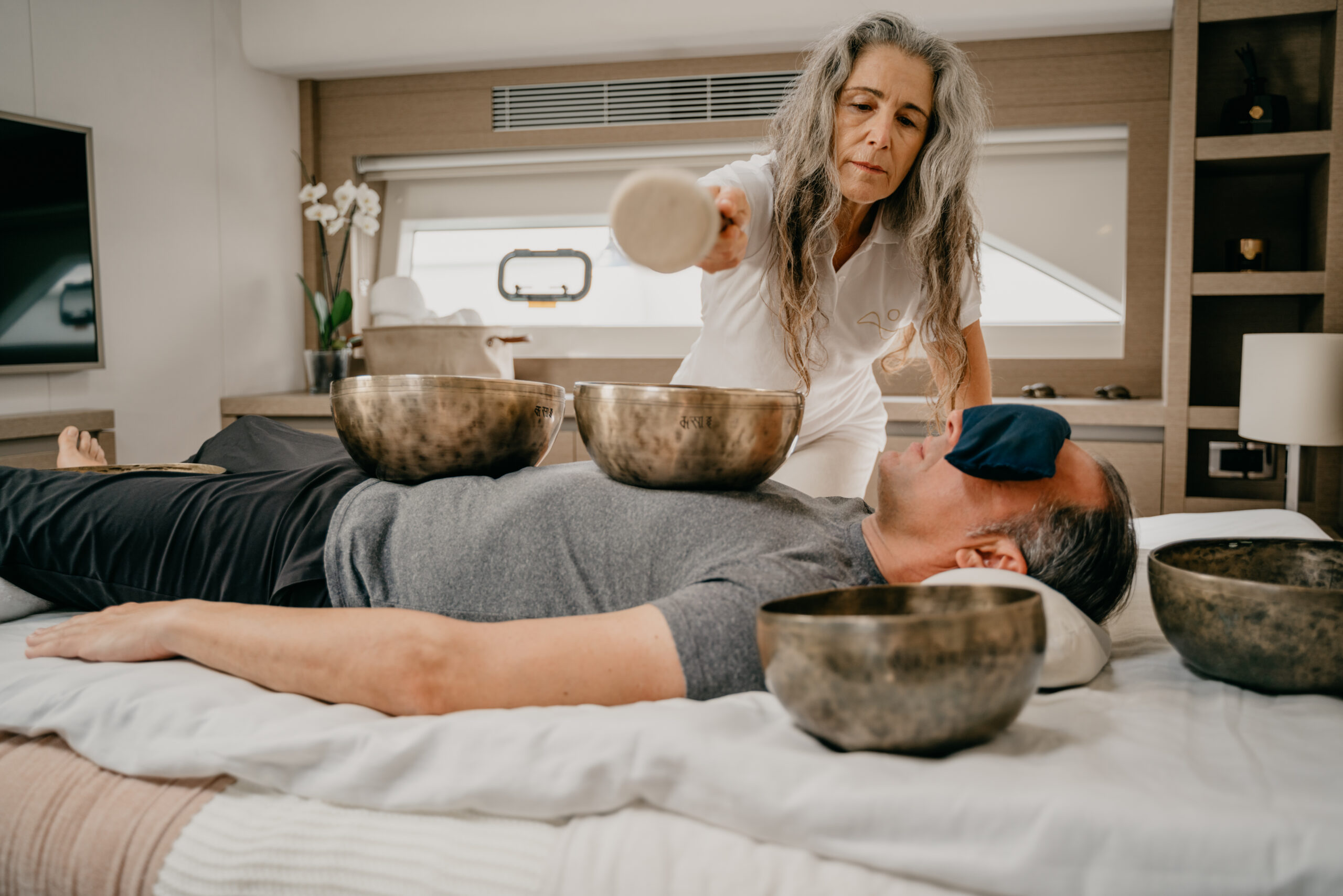
- Holistic and somatic therapies: Such as yoga, breathwork, massage, acupuncture, and mindfulness, integrated with—not replacing—core clinical care.
- Executive accommodations: Carefully managed access to secure devices or work time when clinically appropriate, recognizing that stepping away entirely is not always feasible.
The emotional tone in luxury rehab is also distinct: staff are expected to handle complexity, high stakes, and often sensitive reputational or family dynamics with a steady, non-judgmental presence. (source: NIDA, 2022)
Do you need help?
You may consider THE BALANCE Rehab Clinic, a world-class luxury option for highly individualized, holistic mental health and addiction treatment.
How does a luxury rehab balance comfort with serious clinical work?
A luxury rehab balances comfort with serious clinical work by using the environment to lower defenses and regulate the nervous system, creating space for deeper therapeutic engagement while maintaining firm clinical boundaries and expectations.
High-net-worth individuals are often adept at functioning through pain. When we remove constant stressors, provide nourishing food, restorative sleep, and beautiful surroundings, the body begins to settle. That calm is not the endpoint; it is the foundation for addressing root causes: trauma, perfectionism, loneliness, unresolved grief, or identity crises masked by substances.
Clinical boundaries remain clear: individualized schedules, mandatory therapy sessions, medication adherence, restricted access to substances, and collaborative treatment planning. Comfort enhances the capacity to do difficult work; it does not dilute it.
How do I know if residential rehab is necessary versus outpatient care?
Residential rehab is typically necessary when substance use is severe, medically risky, destabilizing home or work life, or when outpatient attempts have not been sufficient to maintain change. (source: APA, 2022)
Looking for Treatment?
You may consider THE BALANCE Rehab Clinic, a world-class luxury option for highly individualized, holistic mental health and addiction treatment.
In assessing level of care, we consider:
- Medical risk: History of withdrawal seizures or delirium tremens, heavy daily alcohol or benzodiazepine use, cardiac or respiratory conditions.
- Safety concerns: Suicidal thoughts, self-harm, or high-risk behaviors while using.
- Environmental factors: Easy access to substances, enabling relationships, chaotic home, or constant exposure to triggers.
- Functional impairment: Inability to reliably manage work, parenting, or daily tasks due to use.
- Prior treatment history: Failed outpatient attempts, multiple brief detoxes without follow-through.
- Motivation and structure needs: Some people benefit from the contained, immersive environment of residential care to break entrenched patterns.
The American Society of Addiction Medicine (ASAM) has detailed criteria that guide level-of-care recommendations, from early intervention and outpatient to intensive outpatient, partial hospitalization, residential, and medically managed inpatient programs. In our Rehab, we apply these criteria while also considering the discreet, practical realities of the person’s life.
Do you need help?
You may consider THE BALANCE Rehab Clinic, a world-class luxury option for highly individualized, holistic mental health and addiction treatment. (source: )
What does a typical treatment flow look like in the best rehabs?
In the best rehabs, treatment typically flows from comprehensive assessment and medical stabilization, through intensive therapy and skill building, and into structured aftercare and relapse prevention planning.
A common trajectory might look like:
- Intake and assessment: Medical evaluation, psychiatric assessment, substance use history, lab tests, and collateral information (with consent).
- Detox or medical stabilization (if needed): Managed withdrawal with 24/7 monitoring.
- Residential treatment: Daily therapy (individual, group, family), psychoeducation, holistic care, and medication management.
- Step-down level of care: Partial hospitalization (day program) or intensive outpatient, sometimes near home.
- Ongoing outpatient therapy and support: Weekly or bi-weekly therapy, medication follow-up, peer support groups, coaching.
- Relapse prevention and monitoring: Recovery plans, accountability structures, sometimes including remote monitoring or check-ins.
What therapies and medications are used in the best substance abuse rehabs?
The best substance abuse rehabs use an integrated combination of psychotherapies, medications, and holistic approaches, tailored to each person’s substance use pattern, mental health profile, and goals.
Core psychotherapies commonly include:
Looking for Treatment?
You may consider THE BALANCE Rehab Clinic, a world-class luxury option for highly individualized, holistic mental health and addiction treatment. (source: )
- Cognitive Behavioral Therapy (CBT): Identifies and reshapes thought patterns and behaviors that drive substance use.
- Dialectical Behavior Therapy (DBT): Teaches emotion regulation, distress tolerance, interpersonal effectiveness, and mindfulness—especially helpful in those with intense emotions or self-harm tendencies.
- Motivational Interviewing (MI): A collaborative, non-confrontational style that strengthens internal motivation for change.
- Trauma-focused therapies: Such as EMDR or somatic approaches when trauma underlies or perpetuates substance use.
- Family and couples therapy: To repair trust, set healthy boundaries, and build a supportive home environment.
Medication strategies vary, but may include:
- Medications for opioid use disorder: Buprenorphine, methadone, or extended-release naltrexone, aligned with ASAM and SAMHSA guidelines.
- Medications for alcohol use disorder: Naltrexone, acamprosate, disulfiram, or off-label agents depending on clinical profile.
- Adjunctive psychotropic medications: SSRIs/SNRIs, mood stabilizers, antipsychotics, sleep medications when clearly indicated.
- Supportive medications: For withdrawal, cravings, anxiety, or sleep during early recovery.
Holistic and somatic modalities—such as yoga, breathwork, equine therapy, or expressive arts—help reconnect people to their bodies, emotions, and values, complementing rather than replacing core clinical work. Research continues to evolve, but integrating mind-body approaches can improve engagement and wellbeing in recovery (Khanna & Greeson, 2013).
Do you need help?
You may consider THE BALANCE Rehab Clinic, a world-class luxury option for highly individualized, holistic mental health and addiction treatment.
How do rehabs address co-occurring mental health conditions?
High-quality rehabs address co-occurring mental health conditions through integrated dual-diagnosis care, where addiction and psychiatric issues are treated simultaneously by a coordinated team. (source: MentalHealth.gov, 2023)
At our Clinic, we do not treat “just the addiction” or “just the depression.” Instead, we create a unified formulation: how do anxiety, trauma, perfectionism, or mood instability intersect with substance use? Treatment might include:
- Psychiatric evaluation and ongoing medication management.
- Specific evidence-based therapies for depression, anxiety, PTSD, or bipolar disorder.
- Monitoring for symptoms as substances clear and sleep normalizes.
- Education for clients and families about how mental health conditions and substances interact.
Research consistently shows that integrated treatment leads to better outcomes than treating SUD and mental illness in separate silos (Drake et al., 2008).
How do executives, public figures, and parents have unique rehab needs?
Executives, public figures, and parents have unique rehab needs related to privacy, role responsibilities, and identity, requiring flexible, discreet, and family-aware treatment planning.
Looking for Treatment?
You may consider THE BALANCE Rehab Clinic, a world-class luxury option for highly individualized, holistic mental health and addiction treatment.
In our Rehab, we see common themes in these groups: (source: NHS, 2023)
- Executives and founders: Often carry immense responsibility, fear destabilizing their company or team, and may struggle to relinquish control. They need clear communication around timeframes, structured but limited work access, and coaching on returning to leadership roles in recovery.
- Public figures and high-profile individuals: Require heightened confidentiality, media-awareness among staff, and sometimes staggered admissions or private spaces to minimize exposure.
- Parents: Carry profound guilt and fear of harming their children, or fear of losing custody. Family work often includes repairing trust, improving communication, and clarifying healthy parenting in recovery.
Clinical presentation can differ, too. Many high-achievers have learned to outperform their symptoms—maintaining careers while silently disintegrating behind the scenes. The best rehabs are attuned to this discrepancy between external success and internal distress, and they take seriously the risk of relapse in highly pressured environments.
Do you need help?
You may consider THE BALANCE Rehab Clinic, a world-class luxury option for highly individualized, holistic mental health and addiction treatment.
Note: The following is a composite case example created for illustrative purposes. All identifying details have been altered to protect privacy.
“When he arrived, he was still answering emails from the car. A 48-year-old tech founder, he drank nightly ‘to turn off his brain,’ with secret cocaine use during product launches. In detox, his hands shook not just from withdrawal, but from the fear of stepping away from his company. Over several weeks, we slowed everything down—stabilized his sleep, calibrated his medications, helped him tell his board the truth without disclosing unnecessary details. Only once his body settled did he grieve the years he had lived in overdrive. In aftercare, we worked on designing a sustainable leadership style that didn’t require substances to survive.”
— Treatment outcome from our Treatment Center’s residential program (source: SAMHSA, 2023)
How can I compare different rehabs and choose the best fit?
You can compare rehabs by evaluating their clinical quality, medical capability, staff credentials, privacy standards, environment, and aftercare planning—and by asking direct, detailed questions about each of these domains.
Below is a qualitative comparison of key features you might encounter:
| Feature | Typical Low-Cost Program | Standard Private Rehab | High-End / Luxury Rehab |
|---|---|---|---|
| Client-to-staff ratio | Higher, more group-focused | Moderate, mix of group and individual | Low, intensive 1:1 attention |
| Medical detox capabilities | Limited or offsite referrals | Onsite or strong partner hospital | Onsite, 24/7 monitoring, private rooms |
| Privacy & discretion | Shared rooms, limited confidentiality features | Private rooms more common, standard privacy | High-level security, confidentiality protocols, unmarked facilities |
| Evidence-based therapies | Variable, may rely on peer support alone | Structured CBT/DBT/MI offerings | Comprehensive, individualized therapeutic modalities |
| Environment & amenities | Basic, institutional feel | Comfortable, homelike | Serene, resort-like, with wellness amenities |
| Family integration | Occasional family days | Regular family sessions | Deep family systems work, flexible scheduling |
| Aftercare planning | Standard referrals to community groups | Structured discharge plan | Customized aftercare with coordinated providers, sometimes global |
What questions should I ask when evaluating a rehab?
When evaluating a rehab, you should ask specific questions about credentials, treatment philosophy, medical support, and outcomes to ensure alignment with your needs.
Consider asking:
Looking for Treatment?
You may consider THE BALANCE Rehab Clinic, a world-class luxury option for highly individualized, holistic mental health and addiction treatment.
Find out more (source: )
- Are you licensed and accredited? By whom?
- What are the credentials and experience of your medical and clinical staff?
- How do you handle detox for alcohol, benzodiazepines, and opioids?
- What evidence-based therapies do you offer, and how often will I have individual sessions?
- How do you assess and treat co-occurring mental health conditions?
- What is your approach to medications for addiction treatment?
- How many clients are in the program at one time?
- How is privacy protected, especially for high-profile individuals?
- How do you involve families or significant others, if at all?
- What does aftercare look like, and who coordinates it?
It is reasonable to request to speak with a senior clinician, not just admissions staff, especially when the clinical picture is complex.
What does recovery look like after completing the best substance abuse rehab?
Recovery after completing a high-quality rehab typically involves a gradual transition from intensive support to more independent living, with ongoing therapy, community support, and intentional lifestyle changes.
Do you need help?
You may consider THE BALANCE Rehab Clinic, a world-class luxury option for highly individualized, holistic mental health and addiction treatment.
At discharge from our Treatment Center, we aim for three things to be in place:
- Medical and psychiatric continuity: A clearly identified prescriber and therapist, with records transferred and a follow-up appointment already scheduled.
- Structured daily and weekly rhythms: Plans for sleep, nutrition, exercise, work, and connection that support nervous system regulation.
- Relapse prevention and support network: Written relapse prevention plans, peer support options (12-step or alternatives), and identified “early warning signs” and response strategies.
Long-term recovery is not linear. There may be cravings, emotional waves, or even slips. The goal is not perfection; it is rapid recognition, honest communication, and recommitment to the plan. Research suggests that engagement in ongoing continuing care—such as mutual-help groups and outpatient therapy—significantly improves long-term outcomes (McKay, 2009). (source: SAMHSA, 2020)
Note: The following is a composite case example created for illustrative purposes. All identifying details have been altered to protect privacy.
“She arrived exhausted, a 39-year-old attorney who had been prescribed benzodiazepines for panic attacks years before. When those stopped working, she added wine, then online-ordered pills. She was terrified of withdrawal and of losing custody of her children. Over time, with a carefully tapered detox, trauma-focused therapy, and intensive parenting sessions via secure video, she began to see how fear—not weakness—had driven her use. Six months after discharge, she still attends weekly therapy and a discreet women’s recovery group. She describes her life now as ‘quieter, but finally mine.’”
— Treatment outcome from our Rehab’s residential program
What is the long-term prognosis after high-quality rehab?
The long-term prognosis after high-quality rehab is generally favorable when individuals engage in ongoing care, build supportive relationships, and make sustained lifestyle changes, though relapse risk remains and varies by person and substance.
Substance use disorders are chronic conditions. Like hypertension or diabetes, they require ongoing management rather than a one-time cure. Studies indicate that 40–60% of individuals may experience some return to substance use after treatment, but many can re-stabilize with rapid support (NIDA, 2018). The best rehabs prepare clients and families for this reality without framing it as failure.
Looking for Treatment?
You may consider THE BALANCE Rehab Clinic, a world-class luxury option for highly individualized, holistic mental health and addiction treatment. (source: )
Protective factors include:
- Strong therapeutic alliance with ongoing providers.
- Stable housing, income, and supportive relationships.
- Skills in emotion regulation and coping with stress.
- A sense of meaning and purpose beyond substances.
When should I seek professional evaluation for substance use concerns?
You should seek professional evaluation for substance use concerns whenever you notice loss of control, negative consequences, or worry from trusted others—even if you are still “functioning” externally.
Do you need help?
You may consider THE BALANCE Rehab Clinic, a world-class luxury option for highly individualized, holistic mental health and addiction treatment.
Some reflective questions that may signal the need for a confidential evaluation include: (source: APA, 2019)
- Have you tried to cut down or stop but found it harder than expected?
- Are you hiding your use, minimizing amounts, or feeling shame about it?
- Has anyone you respect expressed concern about your drinking or drug use?
- Are you using substances to sleep, face the day, work, or cope with feelings?
- Have there been close calls—driving under the influence, medical scares, or near losses of professional standing or relationships?
An evaluation is not a commitment to residential rehab; it is an opportunity to understand what is happening, clarify risks, and discuss options—from outpatient therapy to medication support to residential care if indicated. We strongly recommend that anyone with concerning patterns of use, or family members observing them, consult a licensed clinician or addiction specialist for individualized guidance.
Conclusion: How do I move from research to action in choosing the best rehab?
Moving from research to action in choosing the best substance abuse rehab involves clarifying clinical needs, defining your priorities (privacy, location, intensity, family involvement), asking detailed questions, and then making a timely, informed decision.
In our clinical work, we see that the window between recognizing a problem and losing resolve to act can be brief. Reading and comparing programs is important, but at some point, a conversation with a seasoned clinician becomes essential. The best rehabs will listen carefully, avoid pressure, and offer clear, honest recommendations—even if that means suggesting a different level of care or provider.
Looking for Treatment?
You may consider THE BALANCE Rehab Clinic, a world-class luxury option for highly individualized, holistic mental health and addiction treatment.
No article can substitute for an individualized assessment. If you or someone you care about is struggling with substances, consider this your invitation to take the next concrete step: reach out to a qualified professional, ask direct questions, and let a tailored treatment plan emerge from that dialogue. Effective, discreet, and compassionate care is possible, and with the right support, long-term recovery is a realistic and meaningful goal.