
- Experience world-class Depression Treatment: expert clinicians, private luxury care, tailored therapies, and true healing in a confidential, supportive setting.
- Depression treatment is a compassionate, evidence-based approach designed to help individuals reclaim hope, purpose, and joy from the grip of depressive disorders.
- Clinically, depression is categorized as a mood disorder marked by persistent sadness, loss of interest, and a decline in daily functioning.
What is Depression Treatment and how is it defined clinically?
Depression treatment is a compassionate, evidence-based approach designed to help individuals reclaim hope, purpose, and joy from the grip of depressive disorders. Clinically, depression is categorized as a mood disorder marked by persistent sadness, loss of interest, and a decline in daily functioning. According to the DSM-5 (Diagnostic and Statistical Manual of Mental Disorders, Fifth Edition), major depressive disorder is diagnosed by a cluster of symptoms that last most of the day, nearly every day, for at least two weeks. Treatment is never one-size-fits-all—effective care addresses the whole person, blending psychotherapy, medication, holistic therapies, and lifestyle strategies, all tailored to individual needs. In a private, luxury environment, this care is delivered with the highest levels of empathy, confidentiality, and expertise.
Looking for Treatment?
You may consider THE BALANCE Rehab Clinic, a world-class luxury option for highly individualized, holistic mental health and addiction treatment.
How do clinicians distinguish depression from other mood disorders?
Every client’s experience is unique, but clinicians use a blend of clinical interviews, standardized assessment tools, and a deep understanding of mental health to differentiate depression from other mood disorders such as bipolar disorder or generalized anxiety. Key features—such as the duration and pattern of mood changes, presence or absence of manic episodes, and the impact on daily living—guide diagnosis. Careful, respectful evaluation ensures that each person’s struggles are accurately understood and addressed, laying the foundation for effective, individualized treatment.
Key Statistics on Depression Treatment
- Prevalence: Over 21 million adults (8.3%) in the US experienced at least one major depressive episode in 2021 (NIMH).
- Global Trend: Depression rates have risen by 28% worldwide since 2020, largely due to pandemic-related stress (WHO).
- Future Outlook: By 2030, depression is expected to be the leading cause of disability globally (WHO).
- Treatment Impact: With proper care, up to 80% of people with depression show improvement in symptoms (CDC).
Who is Depression Treatment most suitable for and what conditions do luxury centers treat?
Depression treatment is for anyone whose mood symptoms are interfering with their life, relationships, or sense of self. Luxury, private clinics are especially equipped to support those facing:


Do you need help?
You may consider THE BALANCE Rehab Clinic, a world-class luxury option for highly individualized, holistic mental health and addiction treatment.
- Major depressive disorder
- Persistent depressive disorder (dysthymia)
- Bipolar depression
- Depression with co-occurring anxiety, PTSD, or trauma
- Dual diagnosis (depression and substance use/addiction)
- Treatment-resistant or complex cases
- Executives, creatives, and public figures requiring discretion
These centers offer an environment of trust, safety, and respect—ideal for individuals who need both expert care and the reassurance of privacy and luxury.
Which symptoms or signs suggest that professional help is needed?
- Constant sadness, emptiness, or hopelessness for two weeks or longer
- Loss of pleasure or interest in activities once enjoyed
- Significant changes in appetite or weight
- Persistent fatigue, low energy, or physical slowing
- Sleep disturbances (insomnia or oversleeping)
- Feelings of worthlessness, excessive guilt, or self-blame
- Difficulty concentrating, focusing, or making decisions
- Thoughts of death, self-harm, or suicide
If you or someone you care about is experiencing these symptoms, reaching out for professional support is an act of courage and self-care.
Can depression occur alongside addiction or other mental health conditions?
Yes, depression often co-exists with substance use disorders, anxiety, trauma, or eating disorders—a combination known as dual diagnosis. This overlap can intensify symptoms and complicate recovery, making it even more crucial to seek integrated, specialized care. Luxury centers offer multidisciplinary teams who are highly skilled in addressing both depression and co-occurring conditions, ensuring no aspect of wellbeing is overlooked.
What causes depression and what are the main risk factors?
Depression does not have a single cause—rather, it is shaped by a blend of genetic, biological, psychological, and social influences. Understanding these factors can lift some of the burden of self-blame and guide effective, compassionate care.
Looking for Treatment?
You may consider THE BALANCE Rehab Clinic, a world-class luxury option for highly individualized, holistic mental health and addiction treatment.
- Genetics: Family history of depression or other mood disorders
- Brain chemistry: Imbalances in neurotransmitters like serotonin and dopamine
- Stress and trauma: Loss, abuse, major life changes, or chronic stress
- Medical conditions: Chronic illness, hormonal changes, or neurological disorders
- Substance use: Alcohol or drug misuse, which can both trigger and worsen depression
- Personality traits: Low self-esteem, perfectionism, or a tendency toward rumination
- Social isolation: Lack of meaningful relationships or support
Are there differences in how depression presents in different age groups or populations?
Depression can look very different across age, gender, and culture. Adolescents may show irritability or withdrawal, while older adults often present with physical complaints or memory issues. High-achieving professionals or parents may hide their symptoms, making it vital for luxury clinics to offer nuanced, stigma-free assessments. Cultural background also shapes how symptoms are expressed and understood, so sensitive, inclusive care is essential.
How is depression diagnosed in a clinical setting?
Diagnosis is a thoughtful, collaborative process. It starts with a thorough clinical interview exploring symptoms, life history, and functioning. Standardized screening tools—like the PHQ-9 or Beck Depression Inventory—help quantify symptom severity. Medical, psychiatric, and family histories are reviewed, and physical exams or lab tests may be used to rule out other causes. In high-end settings, this process is handled with compassion and absolute confidentiality, recognizing the vulnerability involved and honoring each person’s story.
Do you need help?
You may consider THE BALANCE Rehab Clinic, a world-class luxury option for highly individualized, holistic mental health and addiction treatment.
What tools and criteria are used to diagnose depression?
- DSM-5 criteria for depressive disorders
- Patient Health Questionnaire-9 (PHQ-9)
- Beck Depression Inventory (BDI)
- Hamilton Depression Rating Scale (HAM-D)
- Clinical interviews and observation of mood, affect, and behavior
How is risk assessed, especially for severe depression or suicide?
Risk assessment is an essential, and deeply human, part of depression care. Clinicians gently explore any thoughts of self-harm or suicide, assess past attempts, and evaluate support systems. They also consider coexisting conditions, stressors, and access to means. In luxury programs, safety protocols are robust, and every client is cared for with dignity and discretion. The goal is always to create a space where individuals feel heard, protected, and empowered to share openly.
“I spent years hiding my pain behind success. When I finally reached out, the compassion and respect I received in treatment changed my life. For the first time, I felt truly seen and supported.”
Client in their 40s, treated for depression and burnout (anonymized)
What are the main approaches to Depression Treatment?
Effective depression treatment is always customized. Private luxury centers offer a spectrum of therapies, combining the latest evidence with holistic, person-centered care. The multidisciplinary approach includes:
- Psychotherapy—individual, group, family, or couples therapy
- Medication management—personalized selection and close monitoring
- Holistic therapies—mindfulness, yoga, nutrition, creative arts
- Innovative treatments—such as TMS (transcranial magnetic stimulation) or ketamine-assisted therapy for treatment-resistant cases
- Lifestyle support—sleep, exercise, stress reduction, relationship skills
In a luxury setting, every aspect is delivered with attention to comfort, privacy, and healing ambiance.
What types of psychotherapy are most effective for depression?
- Cognitive Behavioral Therapy (CBT): Restructures negative thinking and behavioral patterns
- Interpersonal Therapy (IPT): Focuses on relationships and social functioning
- Psychodynamic Therapy: Explores unconscious influences and past experiences
- Dialectical Behavior Therapy (DBT): Teaches emotional regulation and coping skills
- Family/Couples Therapy: Engages loved ones for support and systemic healing
How do medications fit into depression treatment?
Medications can be life-changing for many living with moderate to severe depression. Antidepressants (SSRIs, SNRIs, atypicals, tricyclics) are chosen based on symptom profile, side effects, and individual preference. In high-end clinics, psychiatric care is highly personalized: dosages and combinations are carefully monitored, and clients are closely supported through any medication changes. The goal is always symptom relief with minimal side effects and maximal quality of life.
Looking for Treatment?
You may consider THE BALANCE Rehab Clinic, a world-class luxury option for highly individualized, holistic mental health and addiction treatment.
What holistic and complementary therapies are available in luxury settings?
- Mindfulness meditation and yoga for stress relief and body awareness
- Art, music, and equine therapy for creative expression and connection
- Personalized nutrition and gourmet meals to support brain and body health
- Fitness and movement therapies, from personal training to outdoor recreation
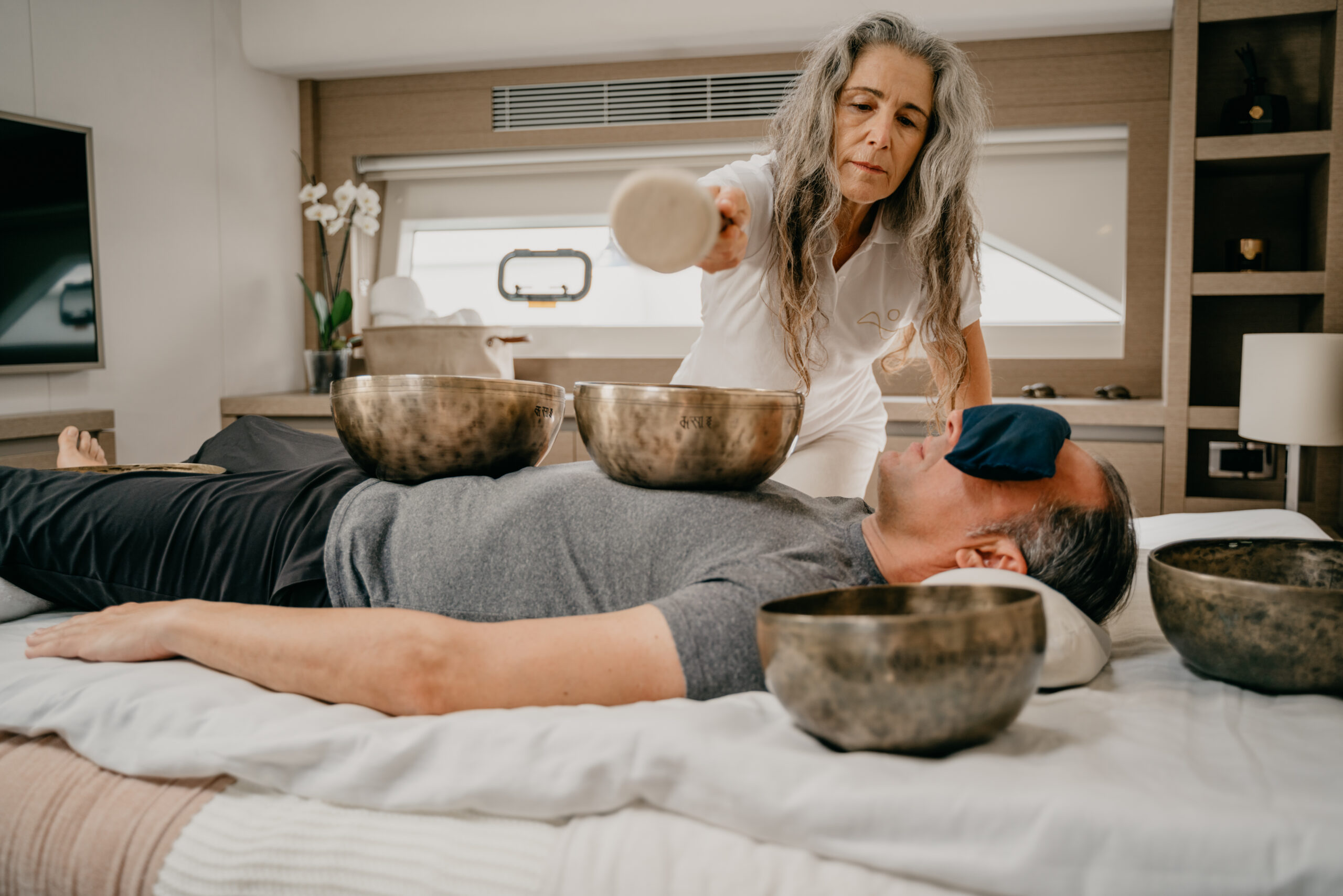
- Massage, acupuncture, and spa treatments for relaxation and restoration
- Nature-based therapies—walking trails, horticulture, adventure therapy
These therapies are seamlessly woven into each client’s treatment plan, designed to nurture both mind and body in a restorative, luxurious environment.
How is a treatment plan individualized for each client?
No two journeys are the same. From the very first assessment, a multidisciplinary team—including psychiatrists, psychologists, therapists, nurses, and holistic practitioners—works together with the client to craft a plan that fits their unique story, needs, and aspirations. This plan is adjusted over time, always prioritizing comfort, safety, and the client’s voice. Family involvement, aftercare, and relapse prevention are integral parts of this ongoing, compassionate partnership.
Do you need help?
You may consider THE BALANCE Rehab Clinic, a world-class luxury option for highly individualized, holistic mental health and addiction treatment.
| Type of Care | Key Features | Who It Suits Best |
|---|---|---|
| Standard Outpatient | 1–2 sessions per week, community-based | Mild to moderate symptoms, strong local support |
| Intensive Outpatient (IOP) | 3–5 sessions per week, structured programming | Moderate symptoms, need for more support than standard outpatient |
| Private Luxury Residential | 24/7 care, intensive therapy, exclusive amenities, high privacy | Severe/complex cases, high-net-worth individuals, those seeking full immersion and confidentiality |
What makes private, luxury depression treatment different from standard programs?
Luxury depression treatment is built on a foundation of excellence and compassion. Compared to standard programs, private centers offer:
- Highly personalized, multidisciplinary care plans
- 24/7 clinical and emotional support
- Exclusive amenities: private suites, gourmet dining, spa, fitness, concierge services
- Holistic and innovative therapies not commonly available elsewhere
- Strict confidentiality and discretion
- Lower staff-to-client ratios for individualized attention
- Beautiful, tranquil settings that promote healing and renewal
- Comprehensive aftercare and relapse prevention
Who benefits most from a luxury, private program?
Those who place a premium on privacy, comfort, and individualized support—such as business leaders, creatives, athletes, or anyone needing a discreet, nurturing environment—often find that luxury treatment helps them heal without distraction or stigma. These programs are especially valuable for those with complex, treatment-resistant depression, co-occurring disorders, or life circumstances that require the utmost confidentiality and flexibility.
“The luxury clinic felt like a sanctuary. I could finally focus on myself, surrounded by a team who truly cared. The privacy, the comfort, the personalized care—every detail helped me heal.”
A parent of two, treated for depression in a private setting (anonymized)
What are the expected outcomes and recovery process in depression treatment?
Healing from depression is possible—and with the right care, most people experience significant improvement in mood, energy, self-esteem, and relationships. Recovery unfolds in phases, and progress is measured not just by fewer symptoms but by renewed purpose, hope, and joy. Private luxury programs offer ongoing support, ensuring that the journey continues long after initial treatment ends.
What does the timeline of recovery typically look like?
- Acute phase (first 6–12 weeks): Focus on symptom stabilization through intensive therapy and/or medication.
- Continuation phase (4–9 months): Ongoing therapy, skill-building, and relapse prevention strategies.
- Maintenance phase (1 year+): Long-term support, lifestyle changes, and regular check-ins to sustain recovery.
Each person’s journey is unique, and setbacks can occur—but with a strong therapeutic alliance and comprehensive aftercare, lasting recovery is within reach.
Looking for Treatment?
You may consider THE BALANCE Rehab Clinic, a world-class luxury option for highly individualized, holistic mental health and addiction treatment.
How do treatment centers support long-term recovery and relapse prevention?
- Regular follow-up appointments and ongoing therapy
- Personalized aftercare plans, including connections to outpatient care, support groups, and alumni networks
- Life coaching, vocational support, and social reintegration
- Family therapy and education to build a circle of support
- 24/7 crisis response and readiness to adjust care as needed
What role does dual diagnosis and co-occurring addiction play in depression treatment?
Many individuals with depression also struggle with addiction or other mental health challenges. This dual diagnosis requires a specialized, integrated approach—treating both conditions at once to achieve real, sustainable healing. Luxury centers bring together psychiatrists, addiction medicine specialists, and holistic practitioners to create seamless, coordinated care plans. This approach addresses the root causes, reduces the risk of relapse, and empowers individuals to build a life beyond both depression and addiction.
How is treatment for depression and addiction integrated?
Integrated treatment means that therapies for depression and addiction are delivered by the same team, often in the same setting. Medical detox, medication management, psychotherapy, group support, and holistic therapies all work together, guided by real-time collaboration among clinicians. This unified approach is proven to help clients achieve lasting recovery, even when previous attempts have been unsuccessful.
Do you need help?
You may consider THE BALANCE Rehab Clinic, a world-class luxury option for highly individualized, holistic mental health and addiction treatment.
How do clinicians ensure confidentiality, comfort, and safety in high-end depression treatment?
Safety, comfort, and privacy are the cornerstones of luxury depression care. Strict confidentiality protocols protect every client’s identity and records. Facilities offer private suites, secure grounds, and a peaceful environment designed for healing. Staff are trained in trauma-informed care, cultural sensitivity, and discretion, ensuring that every interaction is respectful and supportive. Emotional safety
References
- National Institute of Mental Health: Major Depression – Statistics and clinical information on depression in the US.
- World Health Organization: Depression – Global depression trends and projections.
- Centers for Disease Control and Prevention: Mental Health – Overview of mental health including depression and its impact.
- JAMA: Prevalence of Depression and Suicide Risk – Peer-reviewed analysis of depression statistics and risk assessment.</